Die Luft zum atmen
2022
No user ratings available yet
Representation score: 5.4 out of 10
Representation Score
Limited
1976
Not RatedDirector
Randal Kleiser
Runtime
96 minutes
Average Rating
No ratings yetNew Showbiz Analysis
The film is primarily focused on portraying a character with a profound medical condition in a nuanced and empathetic manner. By centering on the protagonist's internal life and ability to act, it avoids simplistic clichés and offers a deeper understanding of living with such conditions. However, this focus is narrow and does not engage with broader social or identity-based complexities. The narrative remains firmly within the traditional cinematic frameworks of the 1970s, lacking diversity in terms of race, gender roles, or LGBTQ+ identities.
Category Breakdown
The film does not include any LGBTQ+ characters and focuses solely on heterosexual relationships. It does not explore diverse gender identities or sexual orientations.
The narrative emphasizes traditional caregiver roles and domestic structures. While the mother plays a central emotional role, the film does not challenge traditional gender hierarchies.
The cast is predominantly white and reflects typical 1970s suburban depictions. It does not prioritize diverse racial perspectives or use actors from different backgrounds.
The story is grounded in traditional Western values, highlighting family sanctity and parental protection. It upholds a conventional moral framework centered on empathy and medical preservation.
The film centers on a character with a severe medical condition, allowing him to play a significant role in his emotional and intellectual development. It avoids using his condition merely as a plot device.
Present on Screen
Limited or Absent
Official Synopsis
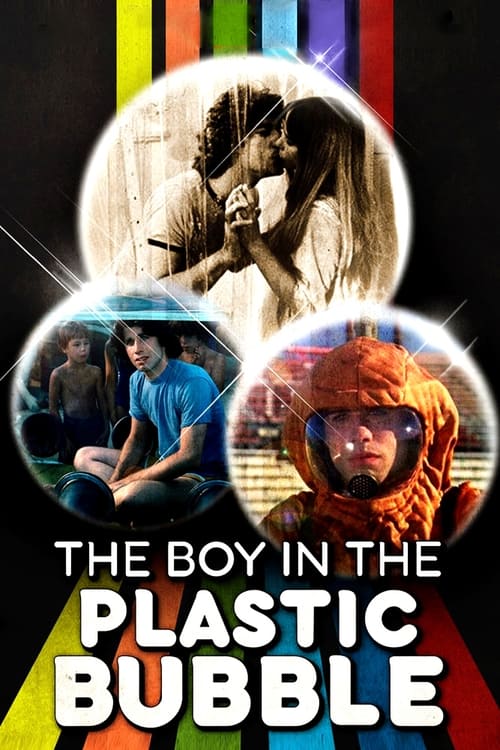
Tod Lubitch is born with a deficient immune system. As such, he must spend the rest of his life in a completely sterile environment. His room is completely hermetically sealed against bacteria and virus, his food is specially prepared, and his only human contact comes in the form of gloved hands. The movie follows his life into a teenager.
2022
1995
1990

2001
2007
1995

2001

1985
No reviews yet. Be the first to share your thoughts on this movie!
Use the rating form above to leave a star rating and optional review.