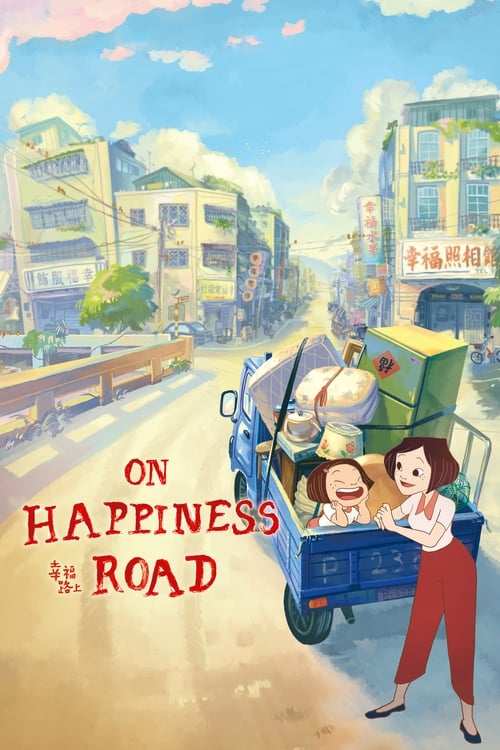
On Happiness Road
2018
No user ratings available yet
Diversity score: 4.5 out of 10
2013
Director
Alessandro Rak
Runtime
82 minutes
Average Rating
No ratings yetSynopsis
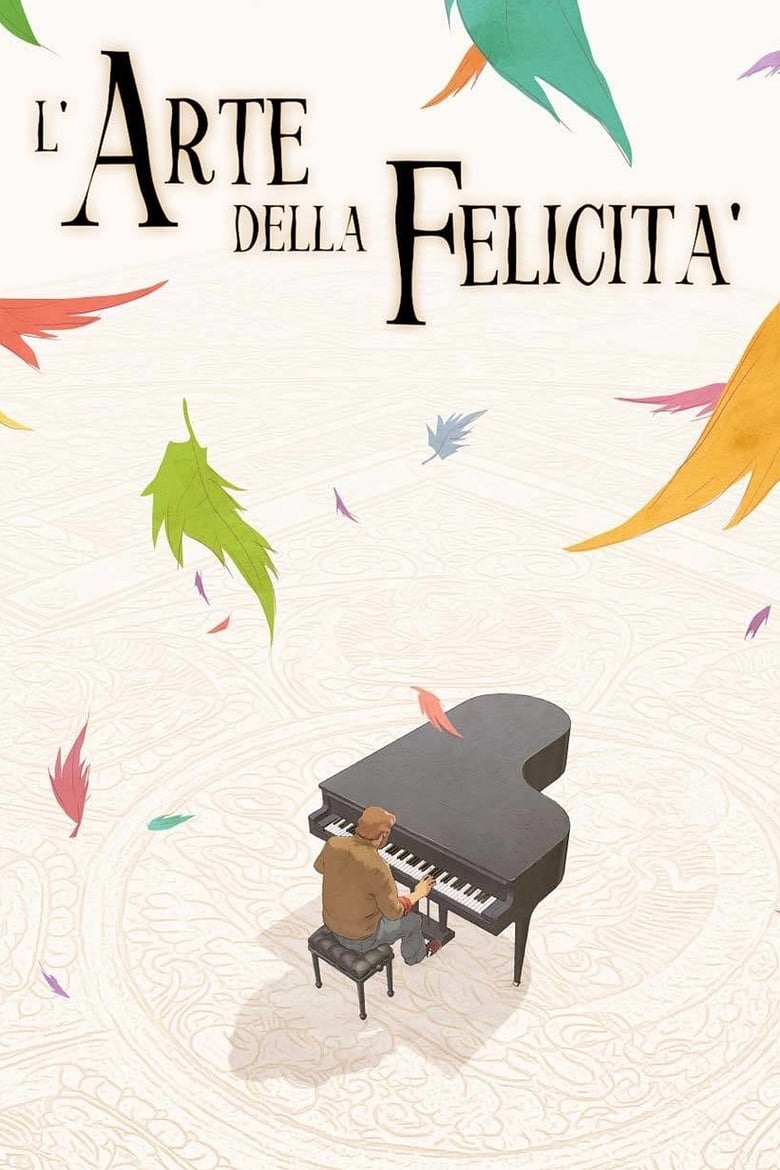
Sergio driving a taxi in a white Naples overflowing sadness and garbage. Pouring rain leads her clients through the city trying to process the death of his brother, who started ten years earlier for Tibet and never returned. A pop singer, a recycler of fragments of life, a radio announcer, an old uncle, alternate seats on its bearing, each in its own way, a trace of his brother loved. Stubborn not to go over and get lost in an endless race, Sergio is overwhelmed by memories and the music produced in pairs with Alfredo, which in Buddhism and in its foundations had found the strength to cope with the disease. Those notes that he believed buried and laid to always return overbearing and demanding a soundboard that resonate and express his being sound. Putting his hand on the piano, Sergio Alfredo feel again, giving the past with the present and realizing itself in the feeling.
Overall Score
Fair
Category Breakdown
LGBTQ+ Representation
The film explores intimacy through shared musicality and spiritual connection. While sexual orientations are not explicitly defined, the narrative moves away from traditional heteronormative romantic tropes.
Gender Representation
Sergio subverts the stoic male archetype by embracing vulnerability and overflowing sadness. The inclusion of various clients and a pop singer suggests a social tapestry beyond rigid hierarchies.
Racial & Ethnic Diversity
Set in Naples, the film presents a textured urban environment. It integrates Eastern spiritual philosophies and a preoccupation with Tibet into a Mediterranean setting.
Religious & Cultural Diversity
The story prioritizes spiritual exploration and Buddhism over institutional religion. It uses the pursuit of happiness to critique materialist structures and systemic urban neglect.
Disability Representation
The narrative focuses on the psychological weight of grief and 'the disease.' It treats these internal emotional struggles as primary drivers of the character's journey.
Strengths
Areas for Improvement
AI Analysis
The Art of Happiness is a sophisticated character study that prioritizes emotional realism over sanitized animation tropes. It succeeds by centering the narrative on spiritual pluralism and the deconstruction of traditional heroic archetypes. The film effectively uses its setting and philosophical themes to disrupt conventional expectations. By blending Western urban decay with Eastern thought, it creates a nuanced, non-conformist narrative arc. However, the film remains somewhat ambiguous regarding specific identity markers. While it subverts gender and romantic tropes, it lacks explicit depictions of non-cisnormative identities or physical disabilities.
2018

2017

2005
2018

2020
2019
2008

2019

2010

2011

2022
2016
No reviews yet. Be the first to share your thoughts on this movie!
Use the rating form above to leave a star rating and optional review.