
An American Story
1992
No user ratings available yet
Diversity score: 3.8 out of 10

2019
Director
Uli Edel
Runtime
176 minutes
Average Rating
No ratings yetSynopsis
After his return from World War I, there is no more work for Fidelis in his parents' butcher shop in Swabia, Germany. To make a better life for himself and Eva, the former fiancée of a friend who fell in battle, he emigrates to Argus, a town in North Dakota, in the United States. The artist Delphine, in whom Eva will find a friend, also moves there. To relieve Eva's homesickness, Fidelis founds a singing club.
Overall Score
Limited
Category Breakdown
LGBTQ+ Representation
The film focuses on a heterosexual romantic trajectory between Fidelis and Eva. There is no evidence of non-cisnormative identities or narratives critiquing heteronormativity.
Gender Representation
Female characters like Eva and Delphine are central to the social fabric. However, the plot is driven by the male protagonist, with women often providing emotional support.
Racial & Ethnic Diversity
The story explores the immigrant experience and the navigation of otherness in America. The focus remains on a specific German diaspora rather than a multi-ethnic ensemble.
Religious & Cultural Diversity
The narrative depicts the shift from old-world German traditions to new-world American opportunities. It emphasizes community cohesion and rebuilding rather than critiquing Western institutions.
Disability Representation
There are no visible or invisible disabilities mentioned as central to the character arcs in this historical drama.
Strengths
Areas for Improvement
AI Analysis
The Master Butcher is a traditional historical drama centered on migration and resilience following World War I. It prioritizes the immigrant experience and the reconstruction of social bonds through a singing club. While the film provides a window into the shifting cultural landscapes of the early 20th century, it adheres to conventional dramatic structures. The narrative focuses on displacement and resettlement without intentionally disrupting established gender hierarchies or exploring intersectional identities. Ultimately, the film functions as a character study of economic survival and community building within a specific ethnic diaspora.
1992
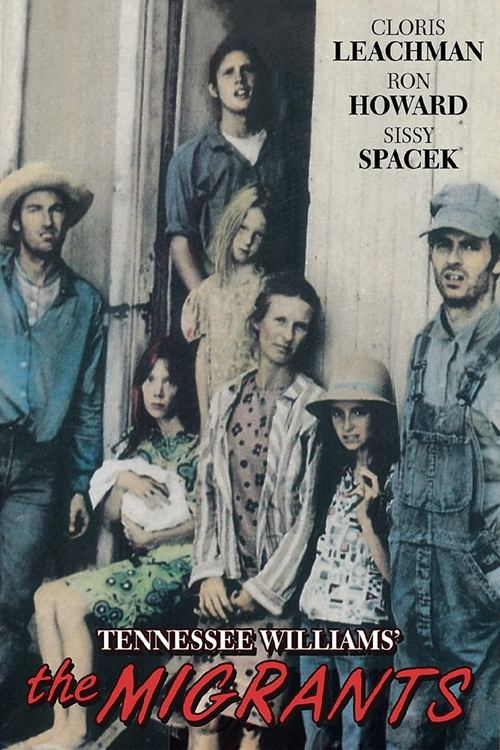
1974

2013

1984
No reviews yet. Be the first to share your thoughts on this movie!
Use the rating form above to leave a star rating and optional review.