
As Verdades
2022
No user ratings available yet
Representation score: 5.5 out of 10
Representation Score
Fair
2017
Director
André Warwar
Runtime
78 minutes
Average Rating
No ratings yetNew Showbiz Analysis
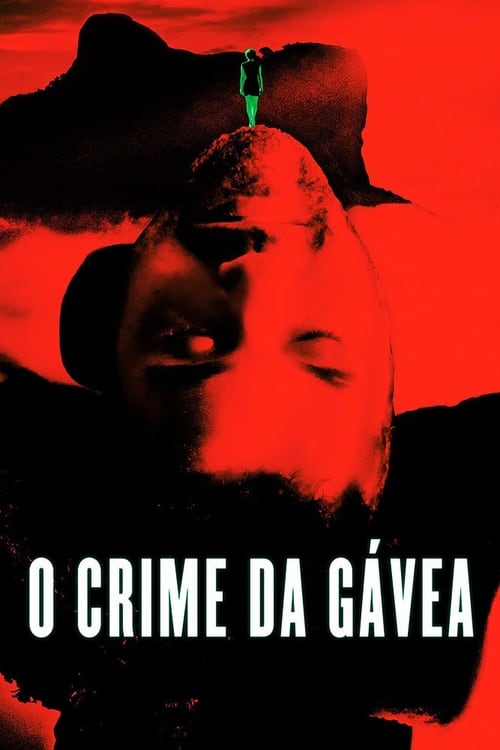
O Crime da Gávea is a character-driven drama that prioritizes individual ability to act and emotional autonomy over systemic resolution. The film moves away from traditional Western procedural clichés by focusing on the protagonist's subjective journey through grief. While the film offers a localized Brazilian perspective, the narrative remains centered on a singular male experience. The lack of visible multi-layered identities or diverse character arcs limits the film's broader social representation. Ultimately, the film functions as a study of personal tragedy and the breakdown of institutional trust, favoring a private quest over a diverse ensemble exploration.
Category Breakdown
The film focuses on the protagonist's grief and a central marriage, leaving queer identities unconfirmed. There are no explicit mentions of LGBTQ+ characters or identity-driven arcs.
The story centers on a male protagonist's journey after a domestic tragedy. The female character primarily serves as a plot catalyst through her status as a victim.
As a Brazilian production, the film offers a localized perspective. The casting of Ricardo Duque suggests an authentic approach to Brazilian identity within the narrative.
The narrative suggests a critique of institutional efficacy through the protagonist's private investigation. It follows a secular, character-driven tradition rather than religious or patriotic themes.
There is no evidence of characters with visible or invisible disabilities within the provided context.
Present on Screen
Limited or Absent
Official Synopsis
Paulo (Ricardo Duque), a film editor, arrives at home and find his wife murdered. While the police investigates the crime, Paulo begin his own quest to find the criminal.
2022
2013

2019

2019
2017

1997

1997

2018
No reviews yet. Be the first to share your thoughts on this movie!
Use the rating form above to leave a star rating and optional review.