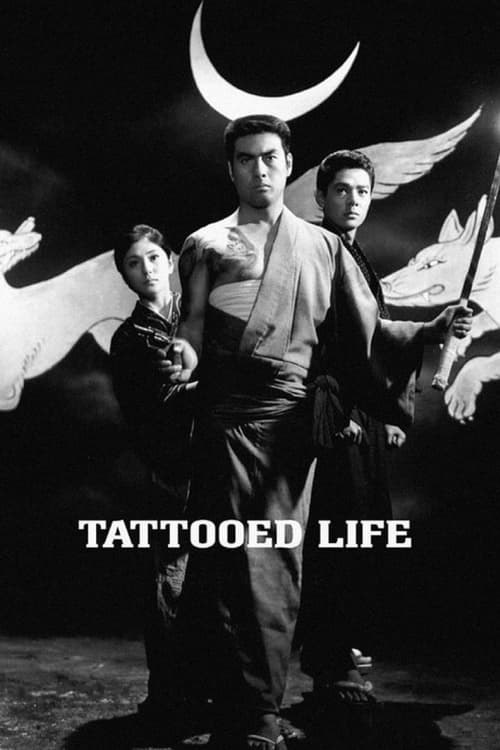
Tattooed Life
1965
No user ratings available yet
Representation score: 4.1 out of 10
Representation Score
Good
1966
Director
Yasuzō Masumura
Runtime
86 minutes
Average Rating
No ratings yetNew Showbiz Analysis
Masumura's film is a compelling character study that uses the practice of tattooing to question societal norms. It stands out by highlighting the female experience through a lens of radical change, challenging the typical passivity found in period dramas. Despite the lack of diverse racial representation or LGBTQ+ characters, the film offers a nuanced critique of institutional conformity. The conflict between personal impulses and the rigid class structures of the Edo period creates a rich, subjective morality. Ultimately, the film's strength lies in its ability to dismantle traditional hierarchies, focusing instead on aesthetic obsession and personal identity.
Category Breakdown
The film adheres to a traditional structure focused on heterosexual relationships and does not include any same-sex dynamics or characters with diverse gender identities.
Otsuya challenges gender stereotypes by transforming from a passive household figure into a character with significant influence over the plot. Her psychological development is central to the film's tension.
The cast is composed of actors representing the ethnic makeup of Edo-era Japan, without introducing characters from different racial backgrounds.
The storyline criticizes strict social hierarchies by emphasizing individual artistic passion over collective norms. It portrays rebellion as driven by aesthetic necessity rather than mere lawbreaking.
The film does not include characters with physical or cognitive disabilities who have substantial roles or ability to act within the story.
Present on Screen
Limited or Absent
Official Synopsis
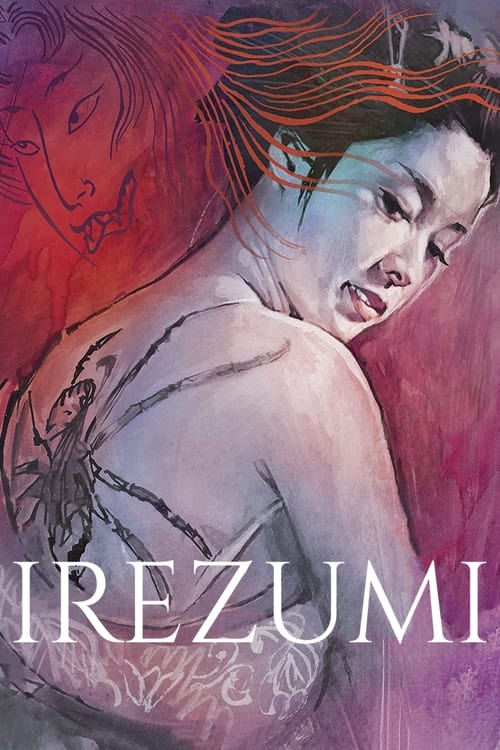
Otsuya, the daughter of a rich merchant, elopes with her lover Shinsuke, an employee of her father's. During their flight, Otsuya's beauty attracts the gaze of Seikichi, a mysterious master tattooist who sees her pristine white skin as the perfect canvas for his art. The image of the large demonic spider that he emblazons across Otsuya's back marks her as the property of another man, radically altering her relationships with all around her as her personality seems to transform under its influence.
1965

1969
1995

1958
1964
1967
1981
1978
No reviews yet. Be the first to share your thoughts on this movie!
Use the rating form above to leave a star rating and optional review.