
El hombre perfecto
2008
No user ratings available yet
Representation score: 3.3 out of 10
Representation Score
Good
2003
Director
Luis Vélez
Runtime
106 minutes
Average Rating
No ratings yetNew Showbiz Analysis
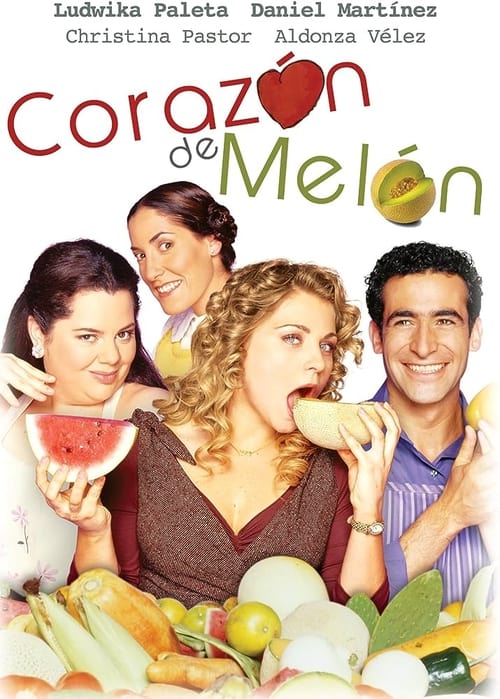
Corazón de melón offers a moderate departure from romantic comedy clichés by emphasizing character competence over conventional beauty standards. By focusing on Rosa—a woman recognized for her culinary expertise—the film challenges the typical cliché of the high-status, idealized female lead. While the film successfully deconstructs aesthetic hierarchies, it falls short in its exploration of diverse identities. The narrative lacks visible LGBTQ+ presence and provides no specific details about racial or ethnic diversity within the ensemble. The film uses disability as a plot device rather than a nuanced exploration of neurological experience. It is a character-driven comedy that emphasizes authenticity and the deconstruction of social status.
Category Breakdown
The film does not depict LGBTQ+ identities explicitly. The story revolves around a heterosexual romance between Tomás and Rosa.
The narrative challenges traditional gender roles by valuing Rosa for her culinary skills rather than her physical appearance. It subverts the cliché of the submissive female lead.
No specific details about the racial makeup of the cast are provided. The score reflects a typical ensemble for the genre's time period.
The plot delves into themes of subjective morality and social deception. It favors authentic connections over idealized relationships, critiquing shallow social standards.
Amnesia is used as a central plot device to advance the romantic storyline. However, the condition is employed primarily for plot mechanics rather than exploring the lived experience of amnesia.
Present on Screen
Limited or Absent
Official Synopsis
Tomás is an attractive television host who hosts a program about cooking recipes. His biggest admirer is Rosa Moscoso, a fat woman who has gastronomy as a quality. Tomás is dating Fernanda Montenegro, a friend of Rosa, a spoiled and arrogant woman. Tomás ends up losing his memory in an accident and a series of incidents end up making Tomás' family and friends believe that Rosa is Tomás' girlfriend. Rosa does not deny it and after the initial surprise, Tomás slowly ends up falling in love with Rosa. Problems arise when Fernanda finds out what happened and promises to get revenge on Rosa.
2008

2013

2016

2021

1954

1987

2020
1998
No reviews yet. Be the first to share your thoughts on this movie!
Use the rating form above to leave a star rating and optional review.