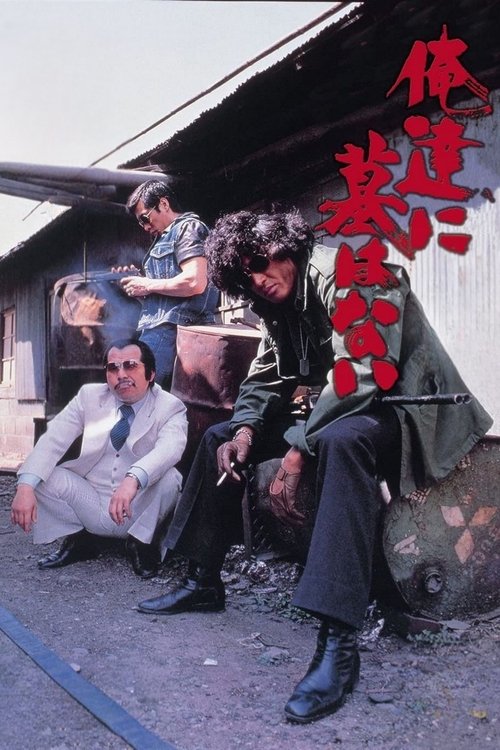
No Grave for Us
1979
No user ratings available yet
Representation score: 1.0 out of 10

Representation Score
Fair
1988
Director
Arthur Wong Ngok-Tai, Brandy Yuen Jan-Yeung
Runtime
84 minutes
Average Rating
No ratings yetNew Showbiz Analysis
In the Line of Duty III is a genre-driven action thriller that finds its most progressive elements through gender representation. By showcasing a female character as a competent, high-stakes operative, the film challenges the damsel-in-distress clichés common in the era. The film also succeeds in centering Asian protagonists within a globalized crime framework. This shifts the narrative away from a traditional Hollywood-centric perspective. However, the film remains limited by its narrow focus. It lacks explicit LGBTQ+ representation and does not address disability-focused narratives, adhering largely to the action-oriented structures common in late-80s cinema.
Category Breakdown
The film does not include explicit representations of LGBTQ+ identities or same-sex relationships. The main partnership is based on professional collaboration and shared beliefs within a terrorist organization.
Michiko Nishiwaki breaks traditional gender roles by serving as a key operative and driving the plot forward. She has significant influence and tactical control rather than being a passive love interest.
The story centers on Asian protagonists in a global context. While it avoids a Western-centric viewpoint, it focuses specifically on East Asian identities rather than a diverse cast.
The narrative explores disruption through an outlaw figure. It emphasizes the goals of a criminal unit over state authority, but does not critically examine specific religious or capitalist institutions.
There is no indication of physical or neurodivergent disabilities. None of the characters have disabilities, and such themes are not central to the heist storyline.
Present on Screen
Limited or Absent
Official Synopsis
Genji Nakamura and his partner Michiko Nishiwaki are thieves for the notorious Red Army terrorist organization in Japan. After pulling off the jewelry heist of the century in which dozens of people get killed, they are now planning to use the jewelry they've snatched to buy an arms cache.
1979
1992

1988
1974

1988
1998
1992

1992
No reviews yet. Be the first to share your thoughts on this movie!
Use the rating form above to leave a star rating and optional review.