
Twa-Tiu-Tiann
2014
No user ratings available yet
Representation score: 6.1 out of 10
Representation Score
Fair
1998
Director
David Lai Tai-Wai
Runtime
95 minutes
Average Rating
No ratings yetNew Showbiz Analysis
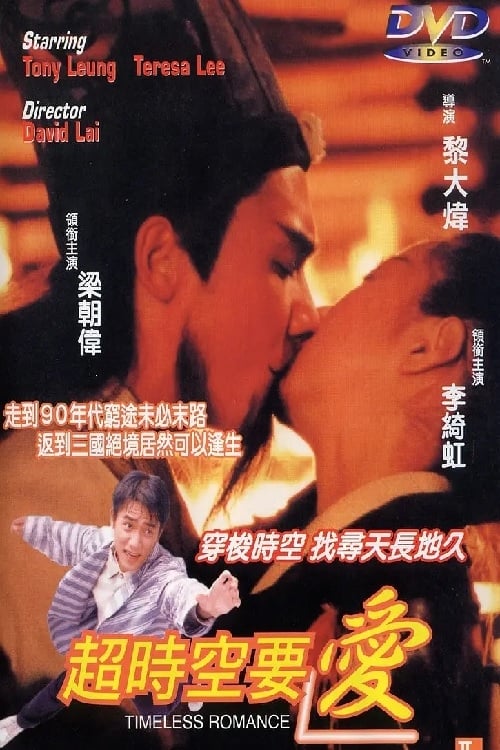
Timeless Romance is a genre-driven romantic fantasy that prioritizes high-concept storytelling over systemic critique. While it offers interesting cross-cultural engagement through its lead pairing, the narrative remains anchored in traditional clichés. The film uses character crises, such as physical injuries and mental health struggles, primarily to propel the plot toward its fantastical conclusion. This approach prioritizes romantic momentum over deep character complexity or characters who reflect more than one aspect of diversity. Ultimately, the work functions as a commercial romantic thriller that leans on established archetypes, providing a degree of regional ethnic diversity but limited social depth.
Category Breakdown
The story centers around a heterosexual relationship between the main character and his love interest. There are no LGBTQ+ romantic arcs or non-cisgender identities in the narrative.
The female lead's journey starts with a crisis, which may frame her role through vulnerability. The male lead follows traditional archetypes emphasizing professional duty and physical strength.
Casting a Korean actress in a central role alongside a Hong Kong cast provides notable pan-Asian representation. This inclusion breaks the uniformity of the local setting.
The Three Kingdoms era setting serves as a backdrop for personal resolution. The film focuses on individual romantic desires rather than critiquing historical or societal hierarchies.
Physical injuries and mental health issues act as plot catalysts for the fantasy elements. These conditions appear to be narrative devices rather than nuanced explorations of lived experience.
Present on Screen
Limited or Absent
Official Synopsis
Lau (Tony Leung Chiu Wai) is a policeman who meets his true love (Korean actress Chiu Ngan Suk) in the emergency room of a hospital. He's being treated for severe wounds received in the line of duty, and she's being treated for an attempted suicide! But she dies, and Lau is unwilling to let her go. He pursues her case, leading to encounters with a variety of quirky individuals (including Tats Lau and Theresa Lee), and finally a freak time accident that transports the whole motley group to the era of the Three Kingdoms! Can he find a way to reclaim his love and make it back to the future?
2014
1995
1987

2015

2002
1980
2016

2001
No reviews yet. Be the first to share your thoughts on this movie!
Use the rating form above to leave a star rating and optional review.