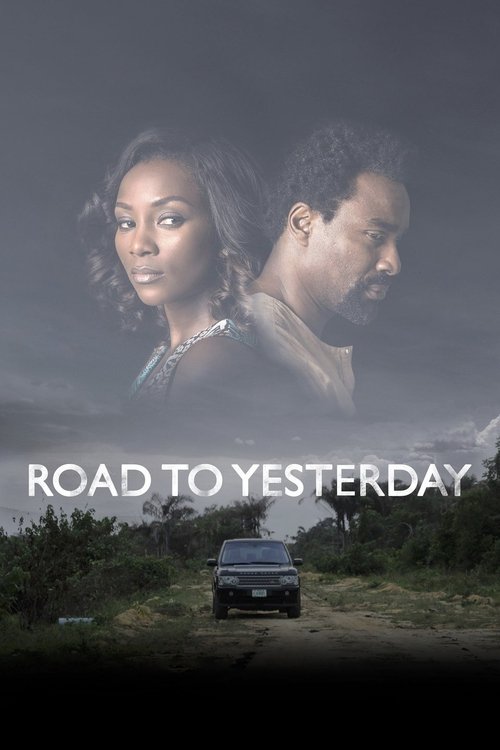
Road to Yesterday
2015
No user ratings available yet
Representation score: 3.7 out of 10

Representation Score
Excellent
2015
Not RatedDirector
Biyi Bandele
Runtime
101 minutes
Average Rating
No ratings yetNew Showbiz Analysis
Fifty is a sophisticated drama that centers on the ability to act of Black women navigating the upper-middle-class landscapes of Lagos. It excels by presenting urban sophistication and professional autonomy as the narrative norm, successfully moving away from Western-centric socioeconomic clichés. The film's strength lies in its subversion of gendered expectations and its powerful depiction of racial ability to act. By focusing on the intellectual and emotional autonomy of its protagonists, it challenges the cliché of the passive female subject. However, the film remains largely tethered to assumptions that everyone is straight or cisgender and lacks representation for disability. The narrative priority stays fixed on class and gendered pressures, leaving queer identities and physical or neurodivergent experiences unaddressed.
Category Breakdown
The film focuses on the romantic complexities of four women rather than centering on queer-specific storylines. While it explores non-traditional relationship structures, it prioritizes class and gendered social pressures over sexual identity politics.
The narrative subverts traditional hierarchies by giving its female protagonists significant roles in driving the story. These women navigate high-stakes professional environments and complex social webs, reclaiming their autonomy during midlife transitions.
The film presents an exceptional model of racial ability to act by centering an all-Black cast. It rejects clichés of poverty, instead showcasing Black excellence and urban sophistication within a high-socioeconomic Nigerian context.
The story offers a critical view of institutional structures and systemic corruption in Lagos. It embraces moral relativism, showing characters navigating ethical ambiguity within high-stakes social and political frameworks.
There is no significant evidence of visible or invisible disabilities driving the narrative. The focus remains on the psychological and social dimensions of midlife rather than neurodivergence or physical disability.
Present on Screen
Limited or Absent
Official Synopsis
Tola, Elizabeth, Maria and Kate are four friends forced at midlife to take inventory of their personal lives, while juggling careers and family against the sprawling backdrops of the upper middle-class neighbourhoods of Ikoyi and Victoria Island in Lagos.
2015

2018

2010

2007

2004
2005
2015

2015
No reviews yet. Be the first to share your thoughts on this movie!
Use the rating form above to leave a star rating and optional review.