
Almost Love
2019
No user ratings available yet
Representation score: 4.7 out of 10
Representation Score
Fair
2015
Not RatedDirector
May el-Toukhy
Runtime
100 minutes
Average Rating
No ratings yetNew Showbiz Analysis
Long Story Short succeeds in disrupting Western romantic clichés by centering a non-Anglo-Saxon perspective. The inclusion of an Arab protagonist within a contemporary, middle-class context provides a refreshing departure from typical genre homogeneity. The film's strength lies in its sophisticated narrative structure and its ability to critique traditional romantic hierarchies. By focusing on the instability of truth and the breakdown of idealized domesticity, it offers a more mature, postmodern look at human connection. However, the film lacks diversity in other key areas. The absence of LGBTQ+ narratives and disability representation limits its inclusive reach, keeping the focus largely within traditional relational frameworks.
Category Breakdown
The story centers on heterosexual relationships and does not include any queer narratives or non-cisgender gender identities.
Female characters take active roles in navigating complex relationships rather than passive ones. The film challenges traditional gender clichés by forcing characters to rethink conventional romantic partnerships.
The film features an Arab/Middle Eastern protagonist in a modern urban setting, which breaks the usual homogeneity found in Western romantic dramas.
The story presents a secular, nuanced view of human experience. It treats 'perfect love' as a social construct rather than an absolute or institutional truth.
There are no visible or invisible disabilities portrayed as central to the narrative arc.
Present on Screen
Limited or Absent
Official Synopsis
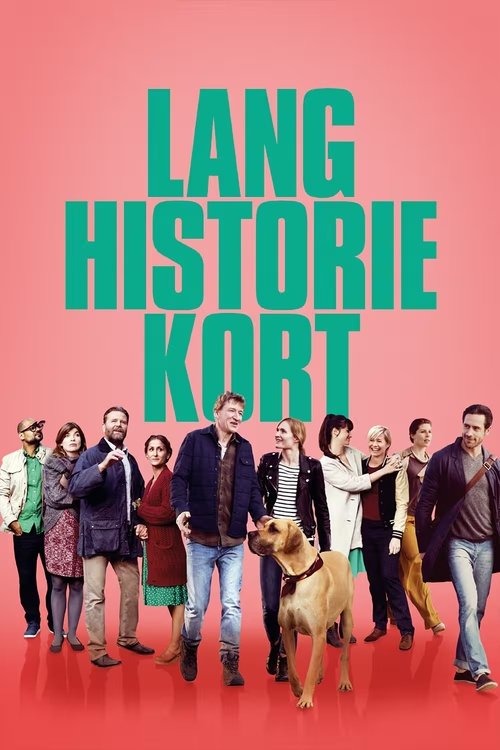
The film follows a group of friends and their highs and lows in pursuit of romantic redemption. It takes place over three years and is divided into eight parties : New Year's Eve, one housewarming, Midsummer, a wedding, a surprise party, a name of celebration, anniversary and birthday parties. The friends are all late thirties or early forties. They fought all with their own idea of what the perfect love really is, and must re-evaluate their perception in the course of history.
2019

2020

2018
2011

2008

2013
2016

2019
No reviews yet. Be the first to share your thoughts on this movie!
Use the rating form above to leave a star rating and optional review.