
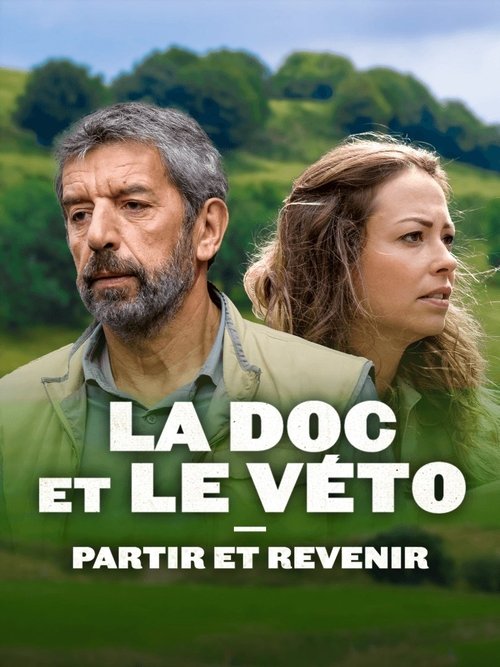
La Doc et le Véto
2021
No user ratings available yet
Representation score: 4.9 out of 10
Representation Score
Fair
2022
Director
Thierry Binisti
Average Rating
No ratings yetNew Showbiz Analysis
The film centers on a character-driven comedy that highlights everyday situations rather than radical identity issues. It presents a more contemporary, diverse view of French society through its multi-ethnic cast and the prominence of a professional woman. However, the narrative does not explicitly challenge traditional assumptions or include clear LGBTQ+ representation. While the casting is inclusive, the film stays within the boundaries of mainstream television comedy.
Category Breakdown
The film focuses on the professional relationship between a doctor and a cyclist, without showing any queer romantic relationships or non-cisgender identities.
By highlighting a female doctor, the film emphasizes the professional role of women. This shifts the traditional hierarchy by making female intellect and authority central to the story.
Performers like Nassima Benchicou and Dounia Coesens contribute to a multi-ethnic cast, reflecting the diverse makeup of modern French society.
The story explores modern social structures and lifestyles through a contemporary comedic lens, focusing on themes of movement and change.
There are no confirmed depictions of physical or neurodivergent disabilities. No specific characters are identified as having disabilities.
Present on Screen
Limited or Absent
2021
2010

2020
2010
2011

2012
2011
2011
No reviews yet. Be the first to share your thoughts on this movie!
Use the rating form above to leave a star rating and optional review.