
Michael Jackson: The One
2004
No user ratings available yet
Representation score: 4.3 out of 10

Representation Score
Good
2003
Director
Steve Barron
Runtime
91 minutes
Average Rating
No ratings yetNew Showbiz Analysis
Michael Jackson: Number Ones stands as a powerful archive of racial integration within mainstream pop media. The inclusion of diverse casts and directors like Spike Lee allows the collection to challenge racial homogeneity through high-budget, visual metaphors. While the work excels in racial and gendered subversion, it lacks depth in other areas. The focus on physical performance leaves disability representation unaddressed, and the collection lacks explicit LGBTQ+ narratives despite some stylistic gender fluidity. Ultimately, the compilation functions as a commercial retrospective that uses the music video medium to disrupt social hierarchies, even if it stays within the bounds of pop aesthetics.
Category Breakdown
The collection does not feature explicit LGBTQ+ narratives or character arcs. Some videos use gender-fluid styling and avant-garde aesthetics, but non-cisgender identities are not central to the stories.
The music videos often challenge traditional gender roles through stylized presentations of masculinity and femininity. Female performers frequently take leading, active roles in choreographed performances that move away from submissive stereotypes.
This is the collection's strongest dimension, serving as a significant archive of racial integration. Works like 'Black or White' use visual metaphors to directly challenge racial hierarchies.
The collection engages with global pop culture and postmodern aesthetics through cinematic fantasy settings. It prioritizes dream-like realities over traditional moralities but does not provide a sustained critique of Western institutions.
There is no evidence of intentional disability representation or neurodivergent characters. The visual focus remains strictly on physical performance and stylized movement.
Present on Screen
Limited or Absent
Official Synopsis
Pop king Michael Jackson solidifies his title with this release of fifteen past number one hits. Songs include "Don't Stop 'Til You Get Enough," "Thriller," "Black or White," and "Blood on the Dancefloor."
2004
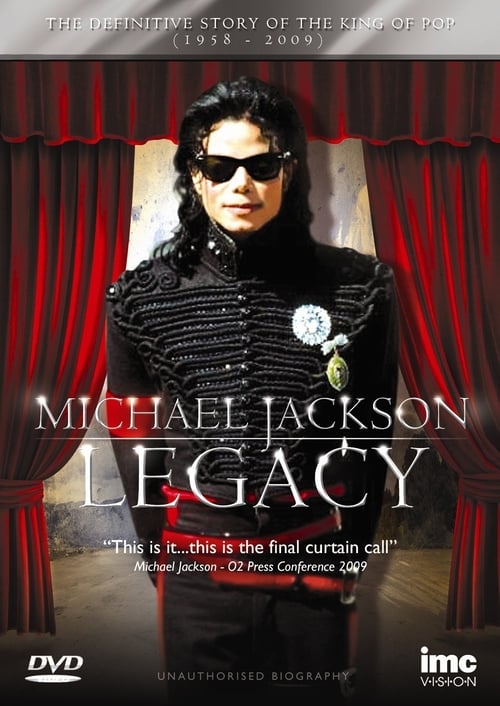
2009
2010
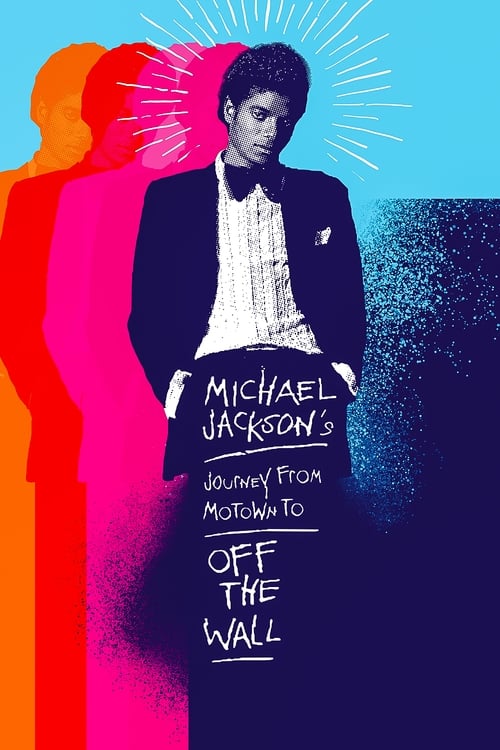
2016
1998

2017
2001
2010
No reviews yet. Be the first to share your thoughts on this movie!
Use the rating form above to leave a star rating and optional review.