The Dark Glow of the Mountains
1985
No user ratings available yet
Representation score: 3.9 out of 10
Representation Score
Fair
1986
Director
Werner Herzog
Runtime
28 minutes
Average Rating
No ratings yetNew Showbiz Analysis
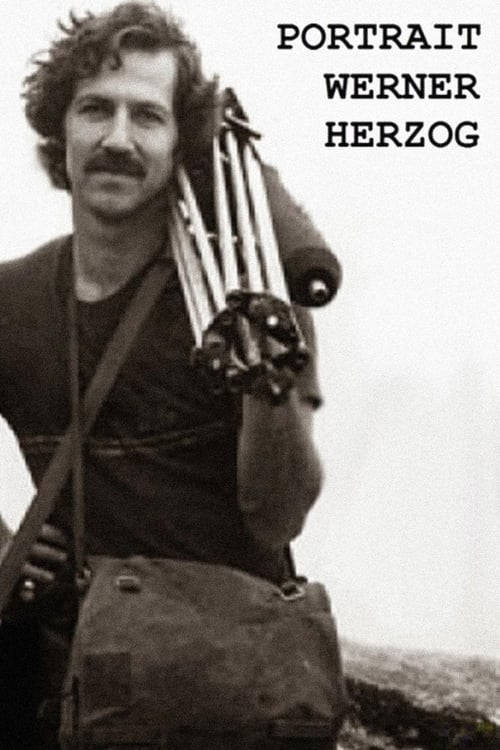
Portrait: Werner Herzog is a meditative autobiographical documentary that prioritizes the director's creative philosophy over demographic representation. It functions as a study of the filmmaking process and the struggle against nature. The film gains points for its global perspective and its inclusion of female intellectual authority. By featuring Lotte Eisner, it acknowledges female expertise as a foundational element of Herzog's development. However, the film lacks explicit representation of LGBTQ+ identities or disability. Its diversity is found more in its philosophical subversion of traditional institutions than in social inclusivity.
Category Breakdown
The film focuses on Herzog's professional journey and cinematic philosophy. It does not center on LGBTQ+ narratives or explicit queer identities.
The film highlights female intellectual authority through a dialogue with mentor Lotte Eisner. This presence disrupts traditional male-dominated cinematic hierarchies.
The narrative references global projects in the Himalayas and international locales. This suggests a scope that extends beyond a purely Western-centric lens.
Herzog prioritizes existential truth over organized social or religious morality. The film explores themes of philosophical relativism and anti-establishment sentiment.
There is no specific evidence regarding the portrayal of physical or neurodivergent disabilities.
Present on Screen
Limited or Absent
Official Synopsis
An autobiographical short film by Werner Herzog made in 1986. Herzog tells stories about his life and career. The film contains excerpts and commentary on several Herzog films, including Signs of Life, Heart of Glass, Fata Morgana, Aguirre, the Wrath of God, The Great Ecstasy of Woodcarver Steiner, Fitzcarraldo, and the Les Blank documentary Burden of Dreams. Notable is footage of a conversation between Herzog and his mentor Lotte Eisner, a photographer. In another section, he talks with mountaineer Reinhold Messner, in which they discuss a potential film project in the Himalayas to star Klaus Kinski.
1985
1999
1968
2008

2022

1982

2019
2013
No reviews yet. Be the first to share your thoughts on this movie!
Use the rating form above to leave a star rating and optional review.