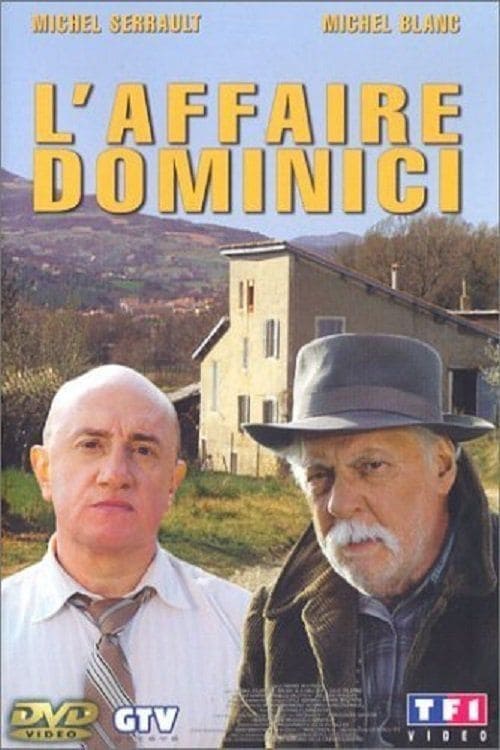
L'Affaire Dominici
2003
No user ratings available yet
Representation score: 2.4 out of 10
Representation Score
Limited
1993
Director
Yves Boisset
Runtime
196 minutes
Average Rating
No ratings yetNew Showbiz Analysis
Yves Boisset’s film is a period-specific procedural that prioritizes historical accuracy and institutional critique over demographic diversity. It functions as a deconstruction of state authority rather than a study of identity. The work excels at challenging the perceived infallibility of the French legal system. However, this focus comes at the expense of diverse representation, leaving many social groups underrepresented. Ultimately, the film is a narrow, historical interrogation of systemic error. It succeeds in its thematic goal of critiquing power but lacks diversity in its character composition.
Category Breakdown
The film focuses on the legal and investigative procedures of the 1920s, which limits visibility for non-straight and non-cisgender identities due to the social constraints of the time.
The story centers around a male-dominated hierarchy of judges and police officers. Women are largely absent from the central legal power structures, reflecting the social dynamics of the era.
The cast and setting are predominantly homogeneous, reflecting the demographic realities of the early 1920s French judicial system. There is no indication of diverse representation.
The film provides a strong critique of Western institutions by highlighting the fallibility of state power, presenting the legal mechanism as capable of profound injustice.
There is no significant focus on neurodivergence or physical disabilities. The drama remains centered on legal evidence and social scrutiny rather than character development through disability.
Present on Screen
Limited or Absent
Official Synopsis
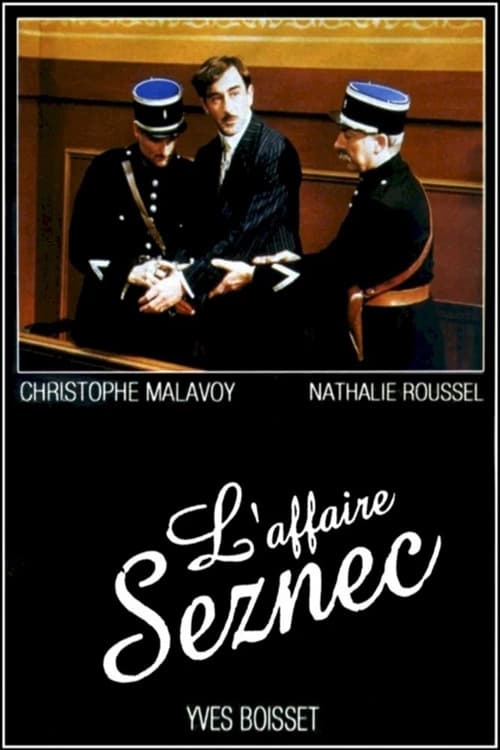
Guillaume Seznec and Pierre Quéméneur join forces to sell cars to the Soviets. It was then that the latter suddenly disappeared, while driving with the former about 30 kilometers from Paris. The body will never be found. Seznec quickly became the main suspect and was sent to prison for life, even though nothing clearly indicated that he was the culprit.
2003
2023

2003
1979
1995

2010
2019
2022
No reviews yet. Be the first to share your thoughts on this movie!
Use the rating form above to leave a star rating and optional review.