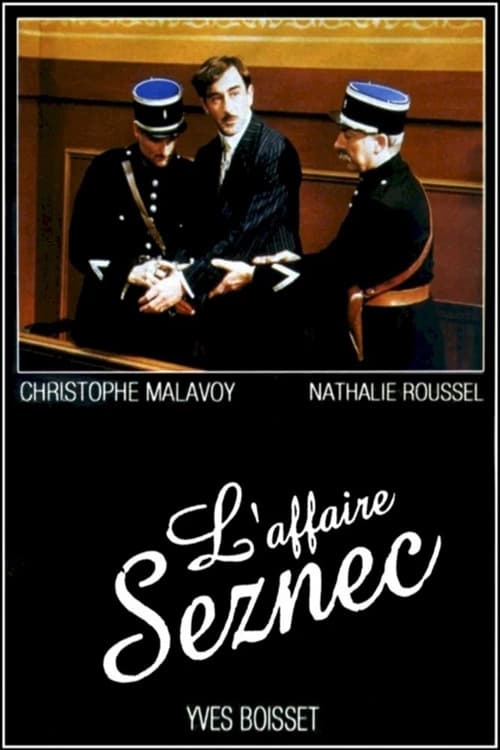
L'Affaire Seznec
1993
No user ratings available yet
Diversity score: 3.1 out of 10

2003
RDirector
Ron Underwood
Runtime
96 minutes
Average Rating
No ratings yetSynopsis
In need of a grubstake, a young man convinces a couple of friends to help him kidnap Frank Sinatra Jr. It's a true story
Overall Score
Limited
Category Breakdown
LGBTQ+ Representation
The film operates within a traditional heteronormative framework. It lacks visible LGBTQ+ characters or any depictions of non-cisnormative identities.
Gender Representation
The social architecture is heavily centered on a male-dominated group of retirees. It reinforces a traditional patriarchal structure rather than subverting gender hierarchies.
Racial & Ethnic Diversity
The production features a primarily homogeneous cast of older white actors. It lacks significant racial blending or characters of color with high agency.
Religious & Cultural Diversity
The narrative challenges the authority of the casino system and retirement communities. It frames a criminal heist as a way to reclaim personal agency.
Disability Representation
The film addresses the invisible disability of age-related marginalization. However, it relies on rebellion tropes rather than nuanced, agency-driven explorations of disability.
Strengths
Areas for Improvement
AI Analysis
Stealing Sinatra is a character study focused on aging and institutional defiance. While it lacks demographic intersectionality across race, gender, and LGBTQ+ identities, it offers a progressive tilt regarding cultural institutions. The film succeeds in deconstructing the 'passive senior' trope. It presents characters who use moral relativism to challenge the oppressive structures of capitalism and institutionalized care. Ultimately, the film's narrative strength lies in its critique of socioeconomic confinement, even as it remains a largely homogeneous production.
No reviews yet. Be the first to share your thoughts on this movie!
Use the rating form above to leave a star rating and optional review.