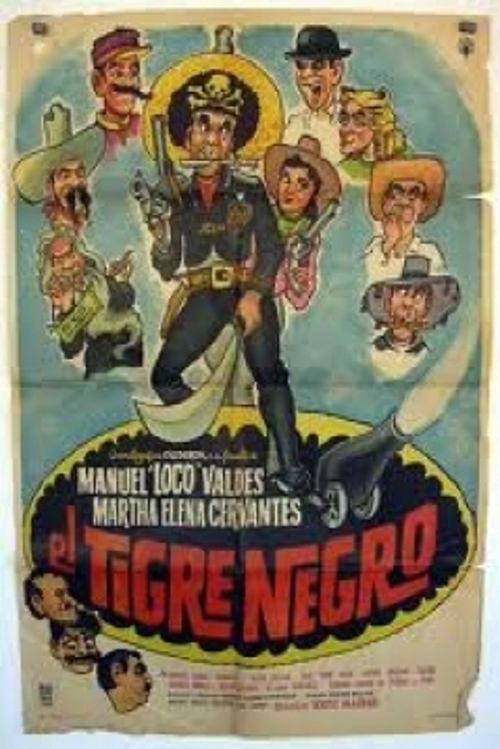
El Tigre Negro
1962
No user ratings available yet
Representation score: 3.0 out of 10
Representation Score
Minimal
1932
PassedDirector
Wallace Fox
Runtime
60 minutes
Average Rating
No ratings yetNew Showbiz Analysis
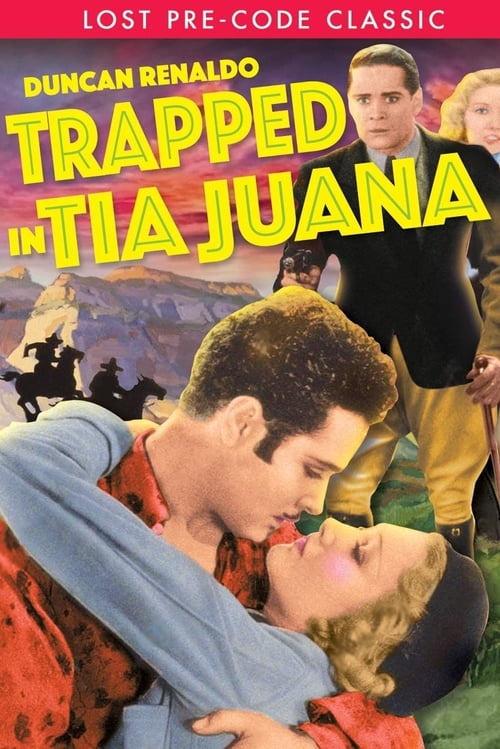
Trapped in Tia Juana is a conventional 1932 Western that prioritizes predictable genre mechanics over complex storytelling. While the film introduces ethnic variety through Mexican and Romanian characters, these figures appear to function within established historical stereotypes rather than as nuanced individuals. The film's structure adheres to the social and cinematic constraints of its time. It relies on traditional archetypes, such as the long-lost twin and the bandit, to drive a plot centered on law, order, and straight romance. Ultimately, the production maintains a traditional hierarchy. Female characters serve primarily as emotional pivots for male conflict, and the narrative lacks any significant subversion of the period's standard moral or gendered expectations.
Category Breakdown
The film follows a typical romantic storyline focused on a female lead. There are no representations of non-straight or non-cisgender identities or same-sex relationships.
Dorothy Holbert's role is defined by her relationship to the two male characters. Her influence is limited by the confusion cliché, making her an emotional pivot for the male-driven plot.
The story includes a Mexican bandit and a Romanian character. However, these roles may rely on reductive genre stereotypes rather than nuanced character development.
The narrative upholds traditional frontier morality and Western institutional values. It lacks any systemic critique, functioning instead as standard genre entertainment of the era.
The available narrative information contains no mention of characters with visible or invisible disabilities.
Present on Screen
Limited or Absent
Official Synopsis
An American army officer, Kenneth Holbert, is after a Mexican bandit, El Zorro, who he doesn't know is his long-lost twin brother. Dorothy Holbert has a hard time figuring out which is which, especially since Romanian native Renaldo uses the same accent for both brothers.
1962
1960
1945
1971
1960
1940
1924
1951
No reviews yet. Be the first to share your thoughts on this movie!
Use the rating form above to leave a star rating and optional review.