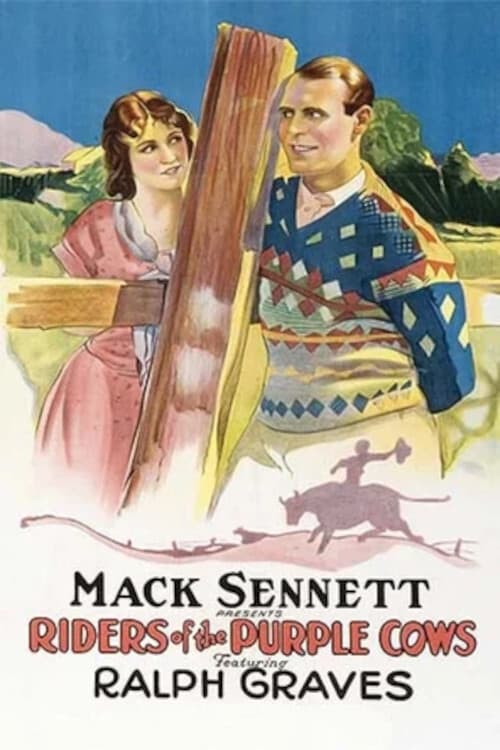
Riders of the Purple Cows
1924
No user ratings available yet
Representation score: 0.4 out of 10
Representation Score
Minimal
1940
NRDirector
James P. Hogan
Runtime
68 minutes
Average Rating
No ratings yetNew Showbiz Analysis
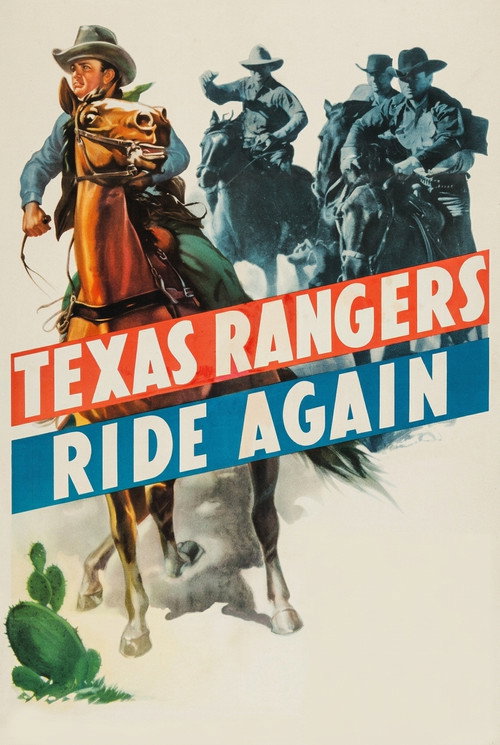
The film is a typical example of 1940s genre cinema, prioritizing traditional Western clichés over social diversity. The narrative centers on law, order, and masculine authority through the lens of the Texas Rangers. Representation is extremely limited, reflecting the era's reliance on homogeneous casting and assumptions that everyone is straight or cisgender. The plot revolves around cattle rustling and undercover operations, reinforcing established social hierarchies rather than challenging them. Ultimately, the work reinforces mid-century institutional stability, offering almost no depth or diverse character perspectives.
Category Breakdown
The film does not include any characters with non-binary gender identities or same-sex relationships, sticking closely to the assumption that everyone is straight or cisgender.
The story focuses on male law enforcement officers and their efforts to combat cattle rustlers. Women play a minor role in the male-dominated narrative of law enforcement.
The film follows the traditional Western storyline, likely reflecting the era's preference for homogeneous casting. There is no indication of a diverse cast that challenges Anglo-centric norms.
The narrative highlights institutional authority and the protection of property at the White Sage ranch. It operates within a framework of traditional Western values and social structures.
There is no indication of characters with visible or invisible disabilities. Disability is not used as a central theme in this production.
Present on Screen
Limited or Absent
Official Synopsis
With thousands of cattle being rustled from White Sage ranch the 1930's Texas Rangers are called in. They manage to get one of their agents into the gang by making them think he is the Pecos Kid on the lam.
1924
1943

1951
1945
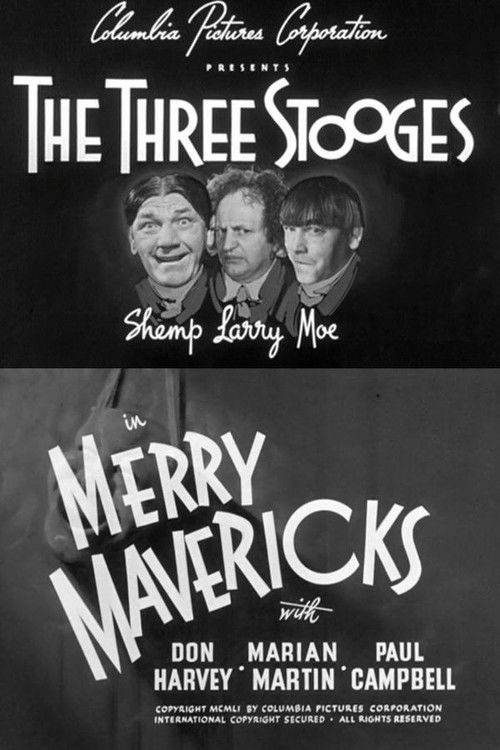
1951
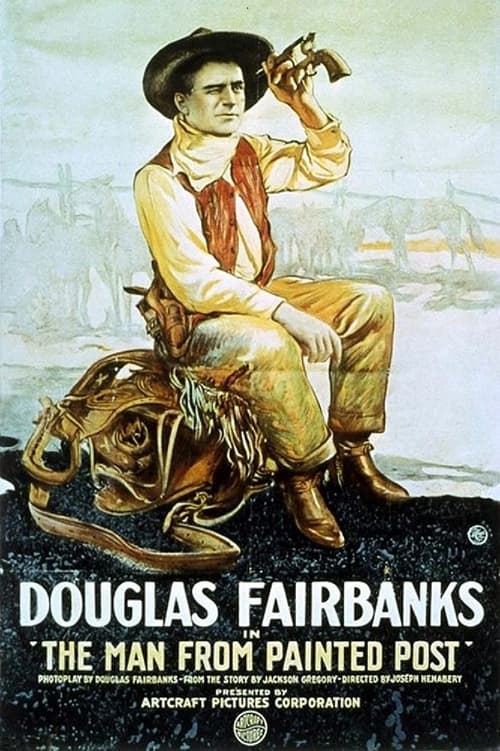
1917
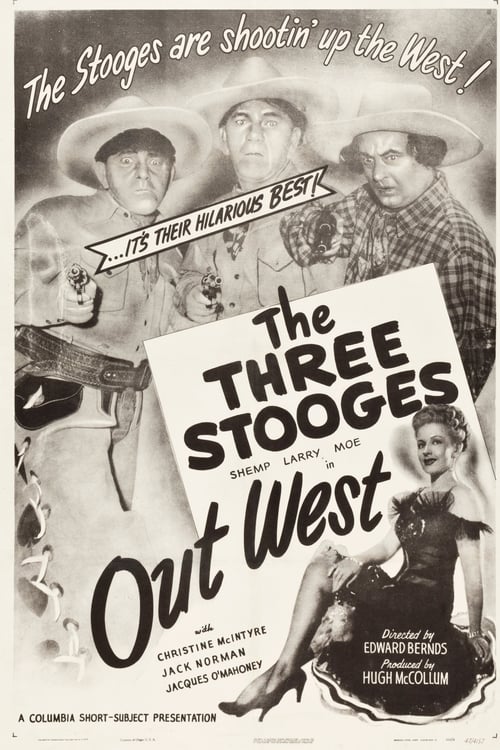
1947
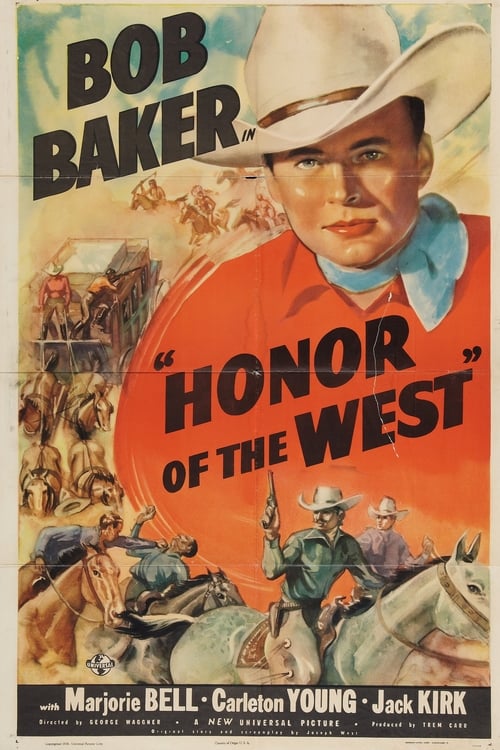
1939
No reviews yet. Be the first to share your thoughts on this movie!
Use the rating form above to leave a star rating and optional review.