You are here:

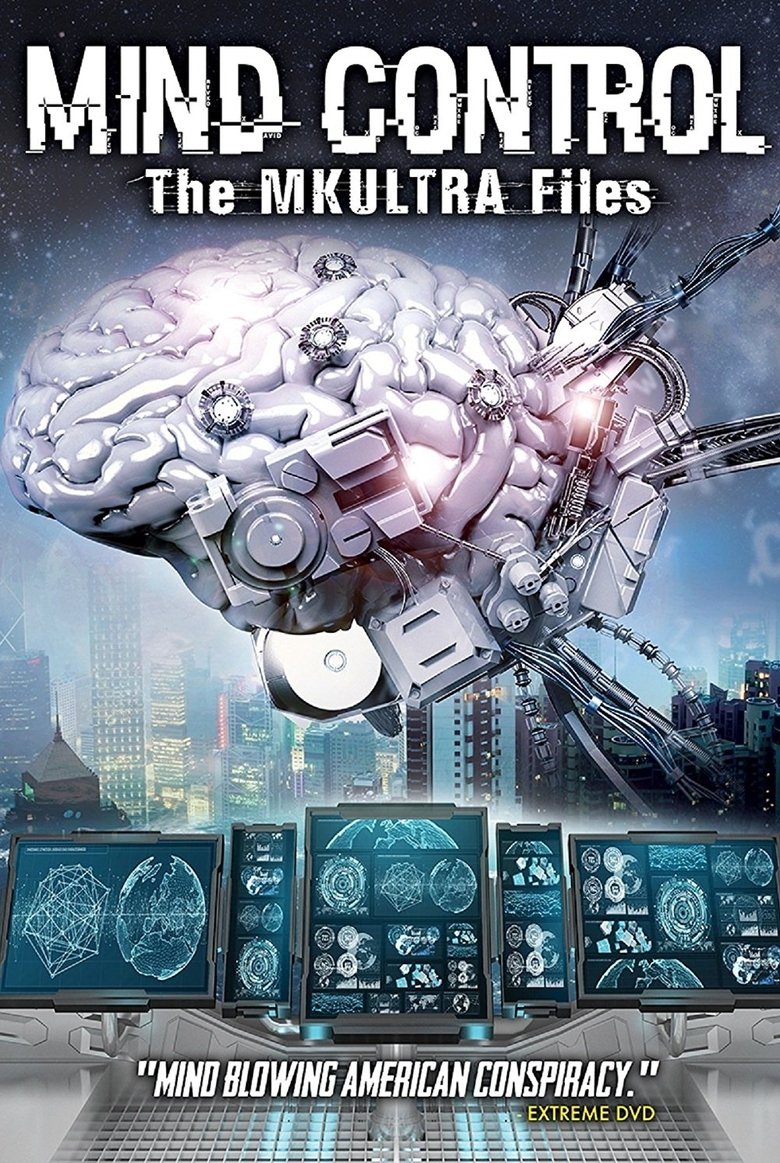
Mind Control: The MKULTRA Files

Mind Control: The MKULTRA Files

Representation Score

6.6/10

Good

2018

TV-14

Runtime

75 minutes

Average Rating

No ratings yet

New Showbiz Analysis

This documentary functions as an investigation into institutional ethics and systemic overreach. It prioritizes a critique of state authority and the mechanics of power over individual identity-based storytelling. The film's strength lies in its cultural deconstruction, questioning the perceived morality of democratic governments. However, it lacks explicit representation regarding gender, race, or LGBTQ+ identities, reflecting the male-dominated historical context of the Cold War era. While the subject matter touches on neurological autonomy and psychological trauma, the narrative remains centered on the historical record of clandestine operations rather than diverse character studies.

Watch this, not that →

Category Breakdown

Does Mind Control: The MKULTRA Files have LGBTQ+ representation?

Limited

The film focuses on military science and Cold War espionage. There is no explicit mention of LGBTQ+ narratives or identities within this investigation of state-sponsored psychological experimentation.

How does Mind Control: The MKULTRA Files portray gender?

Fair

The documentary examines a male-dominated era of intelligence and military history. It does not confirm a focus on women's ability to drive the story or a challenge to traditional gender hierarchies.

How racially and ethnically diverse is Mind Control: The MKULTRA Files?

Fair

While the exploitation of disenfranchised groups is a historical reality of MKULTRA, the film lacks specific evidence of a diverse cast or characters of color.

How does Mind Control: The MKULTRA Files represent religion and culture?

Excellent

The narrative performs a significant deconstruction of Western institutions. It challenges the moral infallibility of the state by highlighting the misuse of scientific authority and institutional corruption.

Does Mind Control: The MKULTRA Files include disability representation?

Fair

The study of radical psychological procedures inherently involves themes of neurological integrity. The film explores the violation of cognitive autonomy and the vulnerability of mental health.

Present on Screen

  • Provides a powerful critique of institutional corruption and the misuse of scientific authority.
  • Challenges traditional perceptions of state power and centralized authority through historical deconstruction.

Limited or Absent

  • Lacks explicit representation of LGBTQ+ identities or narratives.
  • Does not provide clear evidence of diverse racial or gendered perspectives within the historical narrative.

Official Synopsis

With roots deep in the history of military sciences, and largely beginning after WW2, the history of mind control studies is a rich and fascinating one. The quest to conquer the human mind was attempted by the Central Intelligence Agency shortly after the end of the Second World War, with the creation of the MKULTRA project. Comprised of 149 sub-projects, the goal of this program was to study the effects of drugs, and different types of radical procedures on unwitting civilians in order to better understand how to create and interrogate spies during the Cold War. The results and actions taken by numerous agencies, doctors and scientists over a 30-year period would come to light to Congress in the 1977 Church Committee hearings as some of the most shocking and bizarre studies ever perpetrated by a democratic government on its own people.

How are these scores produced? →

Where to Watch

Rate this Movie

No rating selected
Use arrow keys to select a rating from 1 to 5 stars
Optional text review, maximum 2000 characters
Tip: Wrap spoilers with ||double pipes|| to hide them
0/2000 characters
You must be signed in to submit a rating

Reviews

No reviews yet. Be the first to share your thoughts on this movie!

Use the rating form above to leave a star rating and optional review.