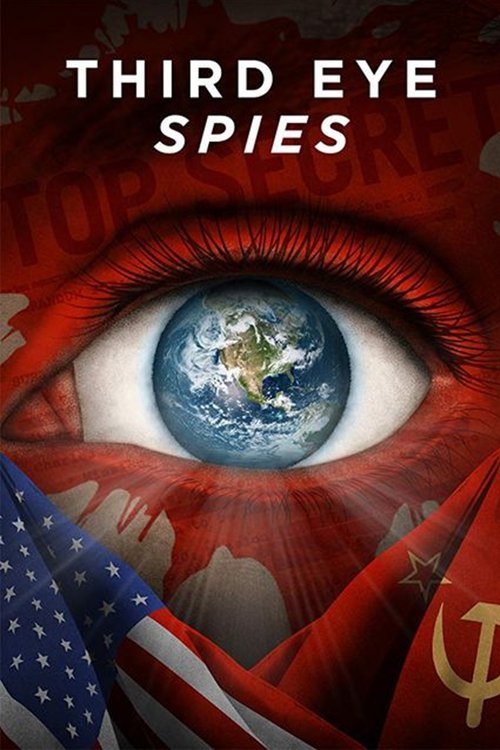
Third Eye Spies
2019
No user ratings available yet
Representation score: 3.6 out of 10

Representation Score
Limited
2015
Director
Olivier Pighetti
Runtime
55 minutes
Average Rating
No ratings yetNew Showbiz Analysis
The film opens on the chaos of 1951 Pont-Saint-Esprit, where villagers scream and throw themselves from windows after eating poisoned bread. This visceral image anchors a documentary that argues the US government’s post-war scientific ambition was a systematic violation of human dignity. The sold meaning is clear: the state is a hollow institution that trades citizen safety for strategic advantage, and the "truth" is a buried artifact requiring excavation. The camera loves the weary investigator, Colin Ross, whose direct address frames the audience as co-conspirators in uncovering a suppressed history. The film’s argument rests on the contradiction between the Nuremberg Code’s promise of consent and the CIA’s covert operations. It shows the winners of WWII importing Nazi scientists to build weapons, then testing those weapons on unsuspecting soldiers and civilians. The tension lies in the film’s inability to show the perpetrators paying a price; the institution outlasts the scandal, leaving the viewer with a sense of unresolved suspicion rather than moral closure. The ending is not a victory for the victims but a confirmation that the state’s secrets are permanent. This 2015 independent documentary fits the genre of the "exposé," using low-budget aesthetics to lend authenticity to its claims. It does not offer a liberal resolution or a call for systemic reform; instead, it sells a vision of perpetual vigilance. The last image is a montage of archival footage, reinforcing that the past is not past but a continuing threat. The film’s power lies in its refusal to look away from the state’s capacity for harm, even as it acknowledges the limits of what can be known or punished.
Category Breakdown
No queer identities or same-sex intimacy appear in the archival footage or interviews. The narrative focuses exclusively on state surveillance and chemical testing, leaving LGBTQ+ representation entirely absent from the historical record presented.
Male researchers and former officials dominate the speaking roles, framing the historical argument. Karen Wetmore appears as a source, but the camera privileges the male investigators’ authority over female perspectives in the documentary’s structure.
The on-screen cast and archival subjects are overwhelmingly white. The film treats the US government’s domestic experiments as a universal moral failure without centering racialized victimhood or diverse ethnic experiences.
The film positions the US state as the primary antagonist, exposing the gap between Nuremberg ideals and covert reality. It frames institutional secrecy as a moral crime against citizen consent, highlighting cultural betrayal.
Mental illness is depicted as a state-inflicted trauma rather than an identity. The victims are shown as passive subjects of chemical manipulation, lacking individual agency or depth in their portrayal.
Present on Screen
Limited or Absent
Official Synopsis
It is August 1951 and an entire French village goes crazy. People are screaming in the streets and throwing themselves out of windows. 300 people are affected and 7 end up dead. Wild theories start circulating to explain the tragedy. 60 years later declassified documents from the United States reveal that the CIA conducted experiments on unsuspecting citizens.
2019
2012
2019
2012
2004
2012
1982
2020
No reviews yet. Be the first to share your thoughts on this movie!
Use the rating form above to leave a star rating and optional review.