
The Seamstress
2017
No user ratings available yet
Diversity score: 6.0 out of 10
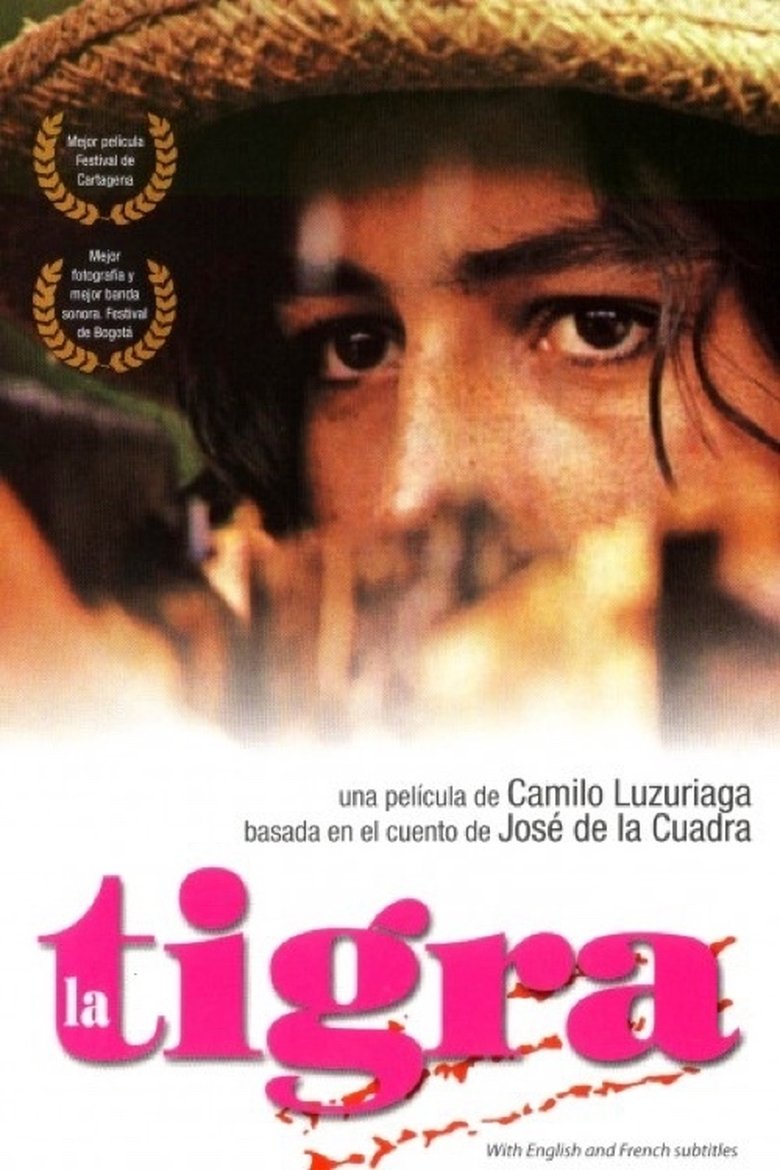
1990
Director
Camilo Luzuriaga
Runtime
80 minutes
Average Rating
No ratings yetSynopsis
The wild and wanton Francisca, known as "The Tigress," is the eldest of three sisters, who are bosses of a farm in Ecuador. A medicine man tells Francisca and Juliana that their youngest sister Sara must remain a virgin to protect their land. A travelling salesman, engaged to Sara, tells the police that she is being kept locked up by her older sisters.
Overall Score
Fair
Category Breakdown
LGBTQ+ Representation
The narrative operates within conventional sexual politics, focusing on traditional romantic engagements and the preservation of virginity. There is no explicit depiction of non-heteronormative identities or same-sex intimacy.
Gender Representation
The film subverts traditional hierarchies by positioning three sisters as the bosses of a farm. Female agency is elevated as male figures act as disruptive forces against a matriarchal order.
Racial & Ethnic Diversity
As an Ecuadorian production, the film centers a non-Anglo-Saxon perspective. It offers a narrative rooted in Latin American identity, though specific details on cast composition are unavailable.
Religious & Cultural Diversity
The story prioritizes localized spiritual frameworks through the inclusion of a medicine man. This explores the tension between local traditions and external institutional or 'civilizing' influences.
Disability Representation
The film provides no evidence regarding the portrayal of physical or neurodivergent disabilities.
Strengths
Areas for Improvement
AI Analysis
The Tigress (1990) is a compelling study of localized power dynamics that disrupts standard patriarchal tropes. By centering a matriarchal structure in rural Ecuador, the film replaces the 'damsel in distress' archetype with assertive female authority. While the film lacks explicit LGBTQ+ representation and specific data on racial casting, it succeeds in presenting a non-Western-centric gaze. The narrative strength lies in its exploration of regional identity and the friction between local customs and external societal pressures. Ultimately, the work functions as a critique of patriarchal interference, using the sisters' control over their land to challenge conventional expectations of female passivity.
2017

1992
1971

1978
2014

1984
2004

1957
1973

2014
2008

2016
No reviews yet. Be the first to share your thoughts on this movie!
Use the rating form above to leave a star rating and optional review.