
Mojin: Mysterious Treasure
2020
No user ratings available yet
Diversity score: 4.5 out of 10

1999
RDirector
Andrew Lau Wai-Keung
Runtime
116 minutes
Average Rating
No ratings yetSynopsis
After Hero Hua marries Jade and leaves her in China, he goes to America to work as a servant and rebels against cruel labour conditions. Jade soon joins him in New York, where they build a family.
Overall Score
Good
Category Breakdown
LGBTQ+ Representation
The film follows a traditional heteronormative romantic structure. The narrative focuses on the union between Hero Hua and Jade without any explicit queer subtext.
Gender Representation
The story centers on a classic heroic arc driven by the male protagonist. Jade plays an essential role in the family unit, though her agency appears tied to supportive functions.
Racial & Ethnic Diversity
The film offers meaningful representation by centering the Chinese immigrant experience in America. It positions non-Western characters as primary agents navigating socio-economic structures and systemic exploitation.
Religious & Cultural Diversity
The narrative engages with anti-capitalist themes through a critique of Western economic structures. It portrays the immigrant struggle within spaces of hardship and systemic oppression.
Disability Representation
There is no discernible evidence regarding the portrayal of physical or neurodivergent disabilities in the film.
Strengths
Areas for Improvement
AI Analysis
A Man Called Hero provides a compelling look at the immigrant experience, using a Chinese protagonist to challenge Western-centric perspectives in action cinema. By focusing on the struggle against labor exploitation in New York, the film offers a nuanced critique of systemic oppression. However, the film adheres to traditional genre tropes. The gender dynamics follow a conventional pattern where the male lead drives the conflict, and the romantic structure remains strictly heteronormative. While the film excels in ethnic and cultural storytelling, it lacks diversity in terms of gender agency and LGBTQ+ representation, remaining rooted in late-90s cinematic norms.
2020

2020

2009

2021
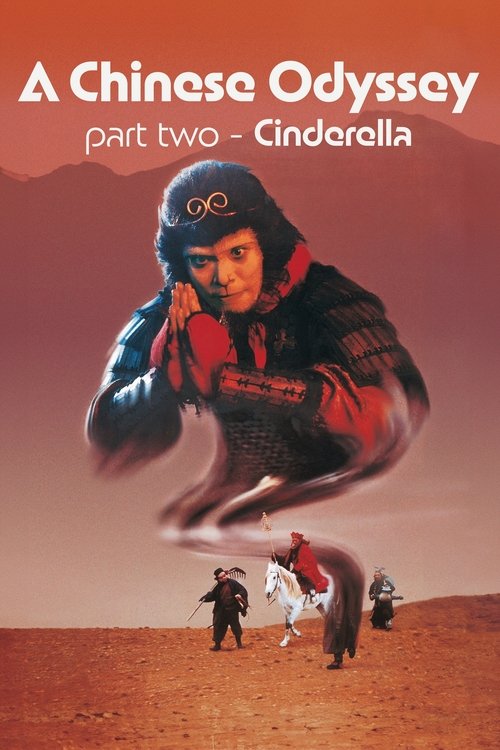
1995

2015

1991
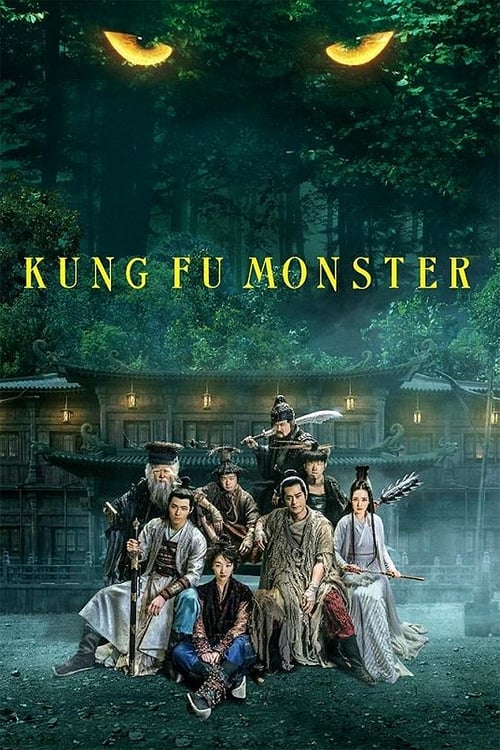
2018
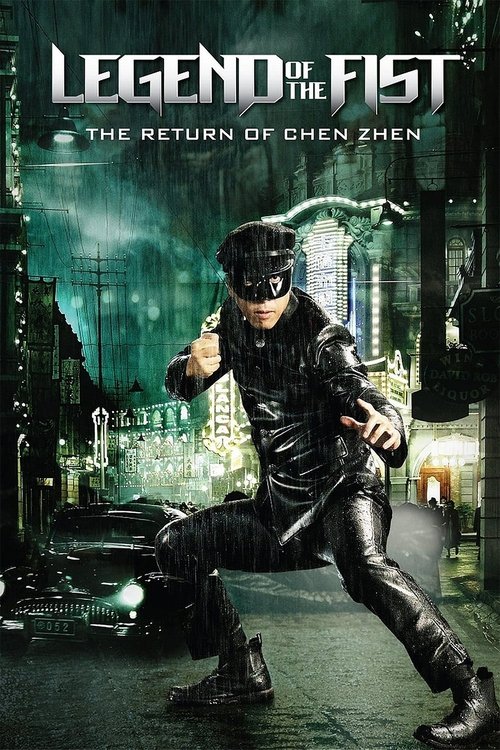
2010
No reviews yet. Be the first to share your thoughts on this movie!
Use the rating form above to leave a star rating and optional review.