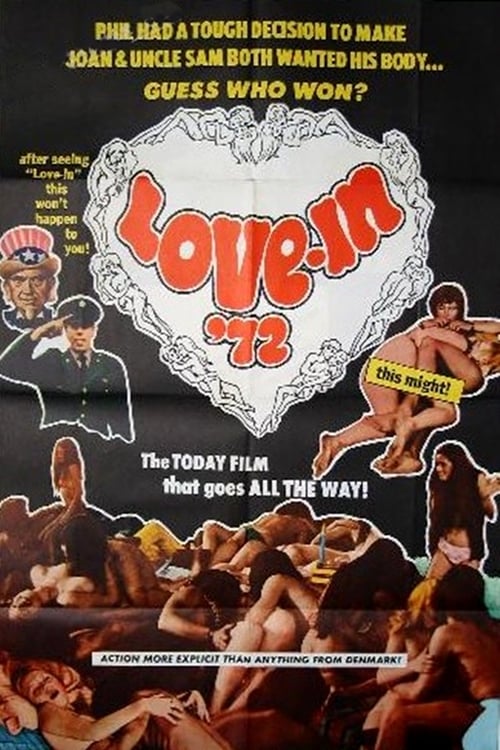
Love-In '72
1970
No user ratings available yet
Representation score: 4.3 out of 10

Representation Score
Fair
1994
RDirector
Annette Haywood-Carter
Runtime
27 minutes
Average Rating
No ratings yetNew Showbiz Analysis
The Foot Shooting Party tells a story that prioritizes anti-establishment sentiments over traditional wartime heroism. By focusing on a musician's choice to avoid the Vietnam draft through self-harm, the film challenges institutional power and nationalistic duty. While the film offers a unique cultural critique, it lacks significant diversity in its social representation. The cast and character focus appear largely homogeneous, lacking visible LGBTQ+ identities or racial diversity. Ultimately, the film's strength lies in its subversion of traditional male clichés and its exploration of individual ability to act against systemic violence, even if its demographic scope remains narrow.
Category Breakdown
The film does not explicitly include LGBTQ+ characters or stories that challenge traditional heterosexual relationships.
The story revolves around a male-dominated band and the draft. However, Haywood-Carter’s direction might challenge traditional ideas of masculinity by criticizing the value placed on physical strength.
The film seems to focus on a homogeneous group of people. There is no indication of a diverse cast or characters from different racial backgrounds.
The story offers a progressive perspective by emphasizing the importance of artistic community over nationalistic duty. It challenges traditional views of patriotism and state authority.
The plot involves a character causing a self-inflicted injury to avoid military service. It is unclear whether this portrays the character's ability to make independent decisions or merely serves as a plot device.
Present on Screen
Limited or Absent
Official Synopsis
The lead singer of a band gets drafted for war in Vietnam. So as not to break up the band, he decides to shoot his own foot.
1970
1956
1971
1987
1969

2002
1971
1984
No reviews yet. Be the first to share your thoughts on this movie!
Use the rating form above to leave a star rating and optional review.