
Summertree
1971
No user ratings available yet
Representation score: 6.2 out of 10
Representation Score
Fair
1970
XDirector
Simon Nuchtern, Karl Hansen, Sidney Knight
Runtime
86 minutes
Average Rating
No ratings yetNew Showbiz Analysis
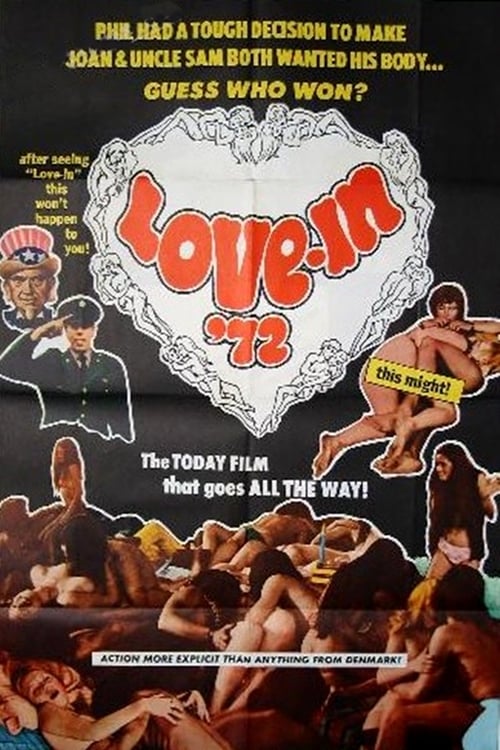
Love-In '72 is a period piece centered on the moral crisis of the Vietnam War draft. Its strength lies in its thematic subversion of patriotism and state mandates, prioritizing individual ethics over institutional loyalty. However, the film appears heavily focused on traditional masculine struggles. The lack of specific character data regarding race, gender, or LGBTQ+ identities makes it difficult to determine if the production truly embraced the era's diverse social strata. Ultimately, the film's diversity is more ideological than demographic. It challenges cultural norms regarding authority but lacks clear evidence of characters who reflect more than one aspect of diversity in its cast or character roles.
Category Breakdown
The film does not show any characters with non-binary gender identities or same-sex relationships. Although the counterculture era often explored gender non-conformity, there are no specific characters identified here.
The story focuses on the Vietnam War draft, which usually emphasizes male roles and masculinity. There are no women shown in dominant or subversive roles.
The focus on the U.S.-Canada draft tension suggests a Western geopolitical perspective. Without specific casting details, it is unclear if the film includes diverse ethnic representation.
The film questions nationalistic duty and state authority through anti-establishment themes. This challenges traditional moral frameworks by emphasizing individual conscience.
There are no characters with visible or invisible disabilities in the narrative.
Present on Screen
Limited or Absent
Official Synopsis
A man must decide whether to flee the U.S. draft and go to Canada or stay or go fight for his country in Vietnam.
1971
1987

1972

1969
1972

1994
1970
1990
No reviews yet. Be the first to share your thoughts on this movie!
Use the rating form above to leave a star rating and optional review.