Duplicates
1992
No user ratings available yet
Representation score: 3.3 out of 10
Representation Score
Limited
1996
RDirector
John Dahl
Runtime
116 minutes
Average Rating
No ratings yetNew Showbiz Analysis
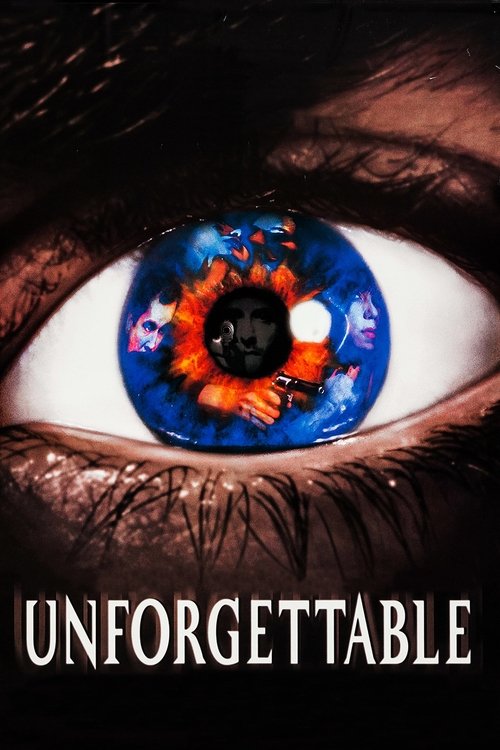
Unforgettable serves as a typical mid-90s psychological thriller that prioritizes genre clichés over diverse representation. The narrative revolves around a traditional male-driven obsession and a female subject of vulnerability, limiting its gendered depth. The film's social landscape is highly homogeneous, featuring a predominantly white cast and a lack of diverse cultural or identity-based perspectives. This creates a narrow, conventional viewing experience that avoids broader social or systemic commentary. While the science-fiction elements touch on neurobiology, these are utilized as plot catalysts rather than meaningful character studies. Ultimately, the film adheres to the era's cinematic conventions, offering little in the way of modern diversity.
Category Breakdown
The film does not include any non-cisgender identities or same-sex relationships. It follows a strictly heterosexual storyline.
The female lead plays a significant role in driving the story, but the film relies on traditional predator and prey clichés. These reinforce conventional gender hierarchies without challenging them.
The cast is predominantly white, and there are no characters of color who play key roles. The urban setting is portrayed as homogeneous.
The story operates within a standard Western framework without engaging in systemic critiques. Morality is presented as a simple tension between the antagonist and protagonist.
Neurobiological themes are used primarily as plot devices. The film lacks a nuanced exploration of neurodivergence or lived experiences of disability.
Present on Screen
Limited or Absent
Official Synopsis
Seattle medical examiner David Krane is obsessed with solving his wife's murder. A possible solution presents itself in an experimental "memory" serum designed by a neurobiology professor, which has the ability to transfer memories from one person to another, but with potentially fatal consequences.
1992

2012
1983

2004

2017
2015

2017

2004
No reviews yet. Be the first to share your thoughts on this movie!
Use the rating form above to leave a star rating and optional review.