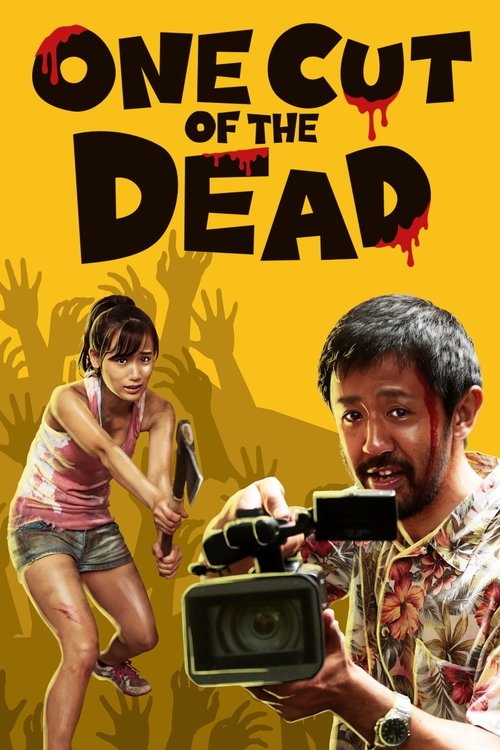
One Cut of the Dead
2017
No user ratings available yet
Representation score: 4.3 out of 10
Representation Score
Good
2020
Director
Shinichiro Ueda
Runtime
26 minutes
Average Rating
No ratings yetNew Showbiz Analysis
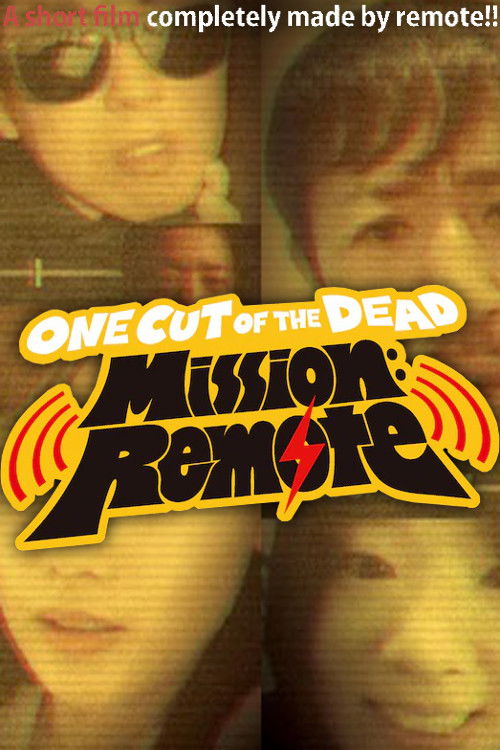
One Cut of the Dead – Mission: Remote is a meta-cinematic comedy that emphasizes professional camaraderie over social identity politics. The film uses the constraints of lockdown to highlight the resilience of creative collaboration among filmmakers. Though the film does not offer extensive characters who reflect more than one aspect of diversity, it excels in showcasing a non-hierarchical creative spirit. By focusing on the chaotic, communal effort needed to create art under technical limitations, it challenges rigid professional structures. Ultimately, the film serves as a character-driven exploration of community. It finds its depth in the subversion of traditional filmmaking processes rather than direct social critique.
Category Breakdown
The film centers on the professional and comedic interactions within a film crew. It does not include any explicit LGBTQ+ stories or critiques of the assumption that everyone is straight.
The narrative breaks down traditional gender roles by emphasizing technical skills and comedic timing. Characters are evaluated based on their abilities rather than traditional gender stereotypes.
The cast is predominantly made up of Japanese actors, reflecting a homogeneous cultural context. The film does not incorporate diverse ethnic casting or consider multiple aspects of identity.
The film highlights the grassroots creativity of independent filmmaking. It emphasizes the collective effort of artists over established industry standards.
The story examines the limitations of digital communication as a form of technological disability. However, it does not specifically represent physical or neurodivergent disabilities.
Present on Screen
Limited or Absent
Official Synopsis
The cast and crew of the original One Cut of the Dead come together via video chat to help Higurashi create a short film about a true crime case during lockdown.
2017
2018
2019
2021

2020
2021
2020
2020
No reviews yet. Be the first to share your thoughts on this movie!
Use the rating form above to leave a star rating and optional review.