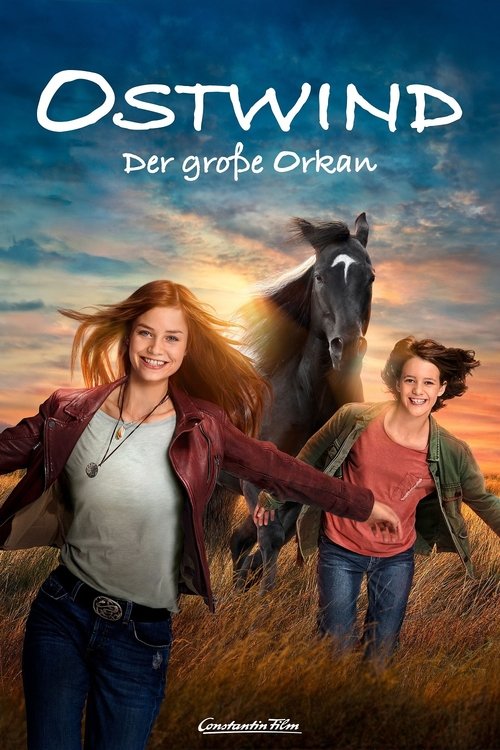
Windstorm: The Great Hurricane
2021
No user ratings available yet
Diversity score: 3.2 out of 10

1990
PGDirector
Eda Lishman
Runtime
107 minutes
Average Rating
No ratings yetSynopsis
A tomboyish juvenile delinquent, Paschal Draney, is sent to live in a foster home run by a well-known horse breeder where he befriends a Thoroughbred seemingly crippled by a congenital eye defect.
Overall Score
Fair
Category Breakdown
LGBTQ+ Representation
The protagonist's tomboyish nature hints at a departure from traditional feminine archetypes. However, the film lacks explicit confirmation of queer identity or romantic orientation.
Gender Representation
Paschal Draney disrupts conventional female passivity by embracing roles of rebellion and delinquency. This characterization subverts traditional gender hierarchies through masculine-coded behavior.
Racial & Ethnic Diversity
The available narrative information provides no details regarding the racial or ethnic composition of the cast or setting.
Religious & Cultural Diversity
The story explores non-traditional family structures by centering on a foster care dynamic. It frames social authority as a point of friction rather than stability.
Disability Representation
The film uses a Thoroughbred with a congenital eye defect to explore themes of impairment. This approach focuses on resilience rather than purely tragic tropes.
Strengths
Areas for Improvement
AI Analysis
Primo Baby offers a moderate exploration of identity by centering on a female protagonist who defies traditional gendered expectations. By portraying Paschal Draney as a tomboyish delinquent, the film moves away from domestic archetypes toward more complex, rebellious characterizations. The inclusion of a Thoroughbred with a visual impairment adds a layer of disability representation. This connection between the protagonist and the horse suggests a narrative centered on overcoming physical limitations through companionship. However, the film lacks broader intersectional depth. Without information on racial diversity or explicit queer identities, the representation remains focused on specific behavioral and physical themes rather than systemic social commentary.
2021

2019

1983

1997
No reviews yet. Be the first to share your thoughts on this movie!
Use the rating form above to leave a star rating and optional review.