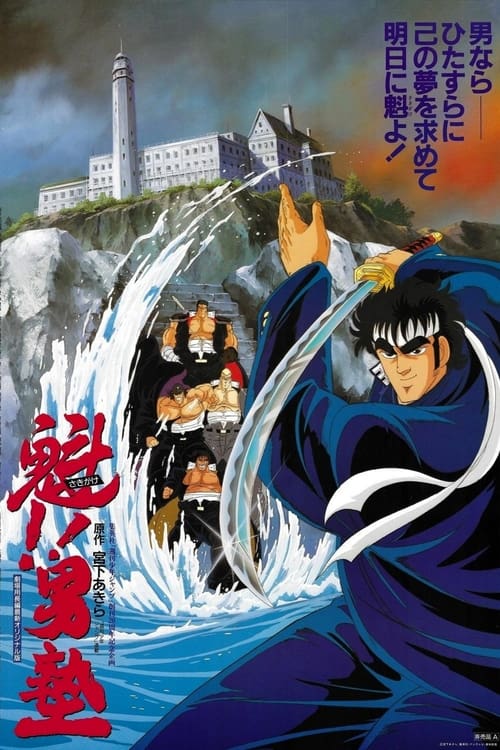
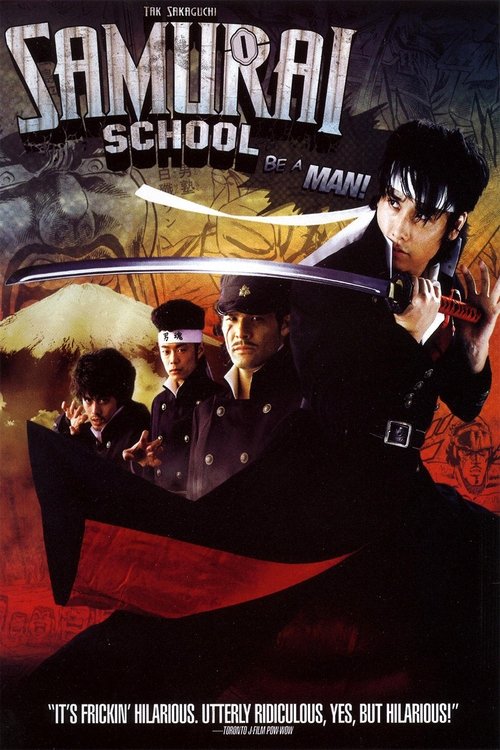
Charge!! Men's Private School
1988
No user ratings available yet
Representation score: 1.2 out of 10
Representation Score
Limited
1987
Director
Kazuo Yamazaki
Runtime
45 minutes
Average Rating
No ratings yetNew Showbiz Analysis
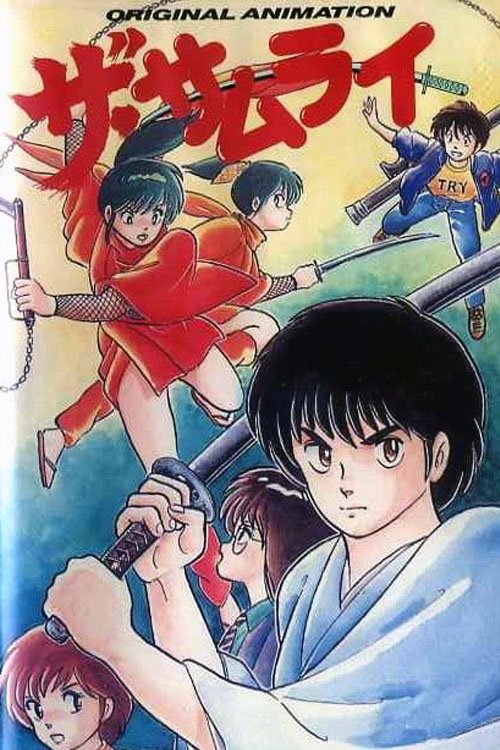
The Samurai (1987) is a culturally authentic film set in a Japanese environment. It presents a homogeneous cultural setting that feels true to its historical period. However, the film relies on conventional gendered clichés and sexualized motivations. While women are given significant combat roles, the narrative centers on the male protagonist's psychological journey. The film operates within established social frameworks without challenging them or engaging with modern identity critiques.
Category Breakdown
The story emphasizes traditional heterosexual attractions and lacks diverse gender identities. It focuses on the protagonist's physical reactions to the female form rather than exploring non-assuming gender matches what was assigned at birth identities.
Female characters have significant combat roles and physical strength. They are often portrayed as sexual temptations or catalysts for the male protagonist's personal growth.
The film showcases a predominantly Japanese cast and setting, which feels authentic and organic to its historical context. It avoids Western-centric casting or whitewashing.
The narrative follows traditional samurai myths and feudal social structures, focusing on personal codes of honor without critiquing systemic power or religion.
There is no evidence of visible or invisible disabilities among the characters or in the plot.
Present on Screen
Limited or Absent
Official Synopsis
Sixteen-year-old high school student Takeshi Chimatsuri has devoted his life to being a master samurai like his father was. Then one day, the Toki twins, two ninja sisters he's known since childhood, transfer to his school and issue him a challenge to take back their family dagger from him. Unfortunately for him, they have discovered his one weakness: the fear of the naked female body. Now, Takeshi must undergo special training from his classmates Atsuko and Torai, and his teacher Miss Ayatsugi to resist the combined brute strength of Akari and the temptation of her sex-crazed twin Kagiri. Class will never be in order with these three constantly fighting each other.
1988
1987

1992

2004
1999

1997
2008

1999
No reviews yet. Be the first to share your thoughts on this movie!
Use the rating form above to leave a star rating and optional review.