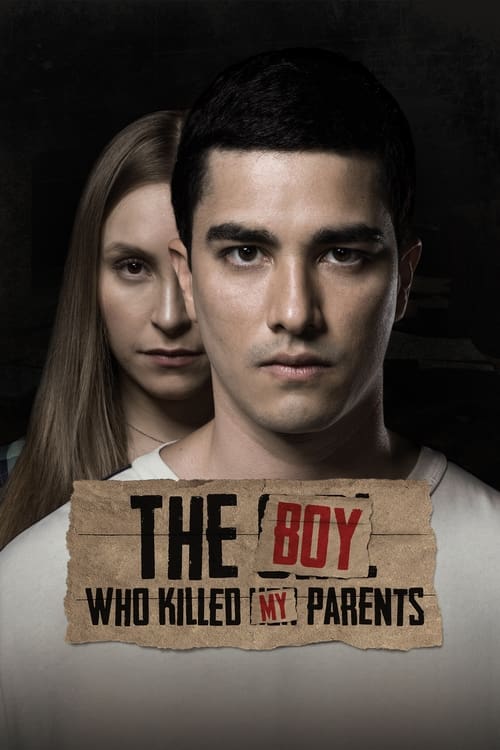
The Boy Who Killed My Parents
2021
No user ratings available yet
Representation score: 4.7 out of 10
Representation Score
Good
2019
Director
Marcos Prado
Runtime
105 minutes
Average Rating
No ratings yetNew Showbiz Analysis
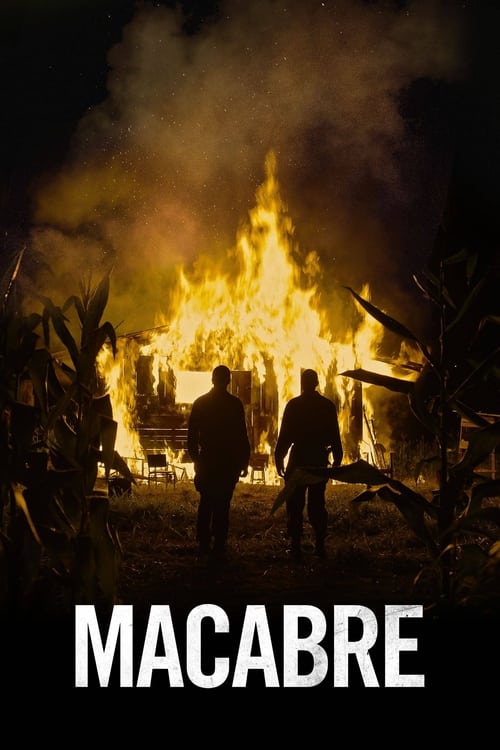
Macabro turns a true-crime tragedy into a sophisticated critique of systemic institutionalism. It goes beyond the typical thriller clichés of 'justice being served' to explore how identity shapes perceptions of innocence. The film’s greatest impact lies in its dismantling of the perceived neutrality of legal institutions. By framing the conviction process through a lens of systemic prejudice, it exposes the deep-seated racial biases within Brazil’s social fabric. While the film excels in social critique, it remains limited by its character dynamics. The focus on male-driven investigations and the absence of explicit LGBTQ+ representation prevent a more comprehensive exploration of social deviance.
Category Breakdown
The film centers on the legal and social consequences of a criminal case. It does not explicitly address LGBTQ+ identities or narratives that question the assumption that everyone is straight.
Women play a crucial role as victims, serving as the main catalyst for the plot. However, the story is largely driven by male investigators and suspects, leaving female characters as subjects rather than active drivers of the narrative.
The film effectively challenges racial biases in Brazil’s judicial system. It highlights how the press and local society use systemic prejudice to shape perceptions of guilt.
The movie questions traditional authority by depicting police and media structures as biased. It suggests that institutional justice is often a construct of systemic oppression rather than an objective truth.
There is no specific evidence regarding the portrayal of physical or neurodivergent disabilities in the narrative.
Present on Screen
Limited or Absent
Official Synopsis
In the 1990s, two brothers were accused of murdering eight women, one man and one child in the Serra dos Órgãos region. In the eyes of the suspects, Sergeant Téo realizes that the trial of the press, police and local society is fundamentally racist, and begins to have doubts about the conviction of one of them. Based on a true story, the film is a work of fiction about the famous case of the "Necrophil Brothers."
2021

2021

2021
2018

2024

2023

2018
2017
No reviews yet. Be the first to share your thoughts on this movie!
Use the rating form above to leave a star rating and optional review.