
The Girl on the Broomstick
1972
No user ratings available yet
Representation score: 2.5 out of 10
Representation Score
Limited
1993
Director
Zdeněk Zelenka
Runtime
98 minutes
Average Rating
No ratings yetNew Showbiz Analysis
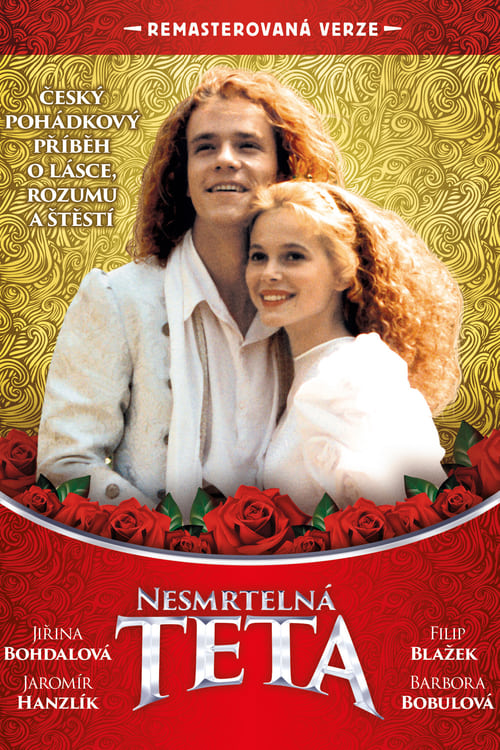
The Immortal Woman is a traditional allegorical comedy that prioritizes philosophical inquiry over identity-based representation. It explores the tension between Reason and Happiness through a classical lens, focusing on abstract human conditions rather than social diversity. The film adheres to the storytelling conventions of its 1993 Czech origin. This results in a narrative that is culturally specific and demographically homogeneous, lacking modern social or systemic disruptions. Ultimately, the work functions as a moral fable. It aims to address the importance of human experience through personified archetypes rather than through a diverse or inclusive cast.
Category Breakdown
The film centers on personified ideas such as Reason and Happiness. It does not include any characters with non-straight or non-cisgender identities or same-sex relationships.
The story includes a central couple and a character named Aunt Envy. Although there are female-coded characters, the film follows traditional folklore structures without challenging gender roles.
As a 1993 Czech production, the film reflects the demographic makeup of its time. It does not show diverse ethnic casting or non-Anglo-Saxon majority representation.
The narrative serves as a philosophical allegory about logic and emotion. It stays rooted in classical storytelling traditions without addressing specific Western institutions or social systems.
There is no mention of characters dealing with physical, neurodivergent, or mental health conditions.
Present on Screen
Limited or Absent
Official Synopsis
The filmed fairy-tale is a comedy based on the classical story about Reason and Happiness. This enchanting couple is ever debating on which of the two is more important for mankind, their encounters are watched by the third fairy-tale figure aunt Envy. A story of true love that wins over the evil powers of immortal human envy.
1972
1965
1972
1984
2003
2002
1971
2016
No reviews yet. Be the first to share your thoughts on this movie!
Use the rating form above to leave a star rating and optional review.