
Interiors
1978
No user ratings available yet
Representation score: 2.5 out of 10
Representation Score
Fair
1988
PGDirector
Woody Allen
Runtime
84 minutes
Average Rating
No ratings yetNew Showbiz Analysis
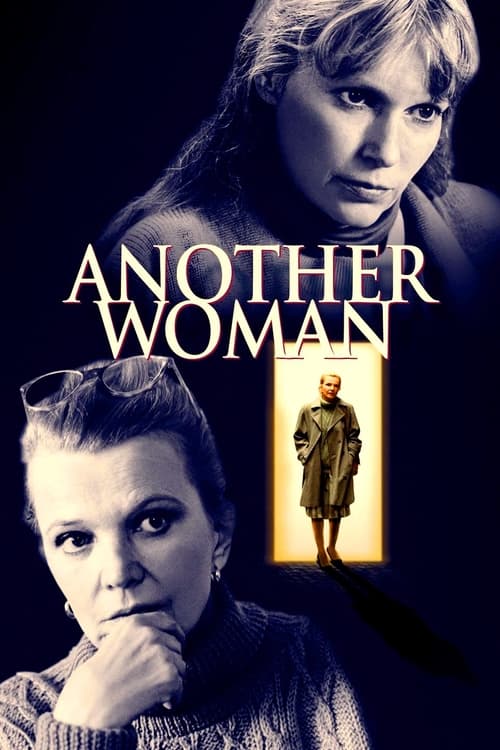
Another Woman is a character study focused on interpersonal volatility and the breakdown of domestic stability. It earns credit for challenging traditional gender hierarchies by centering on female autonomy and the rejection of submissive domestic roles. However, the film is limited by a narrow socio-economic focus and a lack of racial and LGBTQ+ diversity. The narrative remains tethered to a traditional, homogeneous demographic profile that lacks multi-layered depth. Ultimately, while the film embraces a relativistic approach to morality, its reliance on a conventional framework and a lack of diverse identities prevent a higher progressive score.
Category Breakdown
The film adheres to a conventional framework that assumes everyone is straight and cisgender. It centers on traditional romantic relationships and the breakdown of a marriage, without representing LGBTQ+ identities.
The film challenges the cliché of the submissive wife by focusing on a female protagonist who asserts her independence through infidelity. These women play a significant role in disrupting the established social order.
The cast is predominantly from a specific upper-middle-class, urban New York demographic. There is no effort to include diverse racial or ethnic backgrounds.
The film deconstructs the sanctity of the nuclear family through postmodern moral relativism. However, it remains a private domestic drama without addressing systemic or anti-capitalist critiques.
Psychological neurosis and emotional fragility are treated as typical character traits. There is no intentional representation of neurodivergence or characters with disabilities having a significant role in the story.
Present on Screen
Limited or Absent
Official Synopsis
Marion is a woman who has learned to shield herself from her emotions. She rents an apartment to work undisturbed on her new book, but by some acoustic anomaly she can hear all that is said in the next apartment in which a psychiatrist holds his office. When she hears a young woman tell that she finds it harder and harder to bear her life, Marion starts to reflect on her own life. After a series of events she comes to understand how her unemotional attitude towards the people around her affected them and herself.
1978

1987

1995

1990

1974

1989

1980

1972
No reviews yet. Be the first to share your thoughts on this movie!
Use the rating form above to leave a star rating and optional review.