Urubus e Papagaios
1987
No user ratings available yet
Representation score: 4.6 out of 10
Representation Score
Minimal
1971
Director
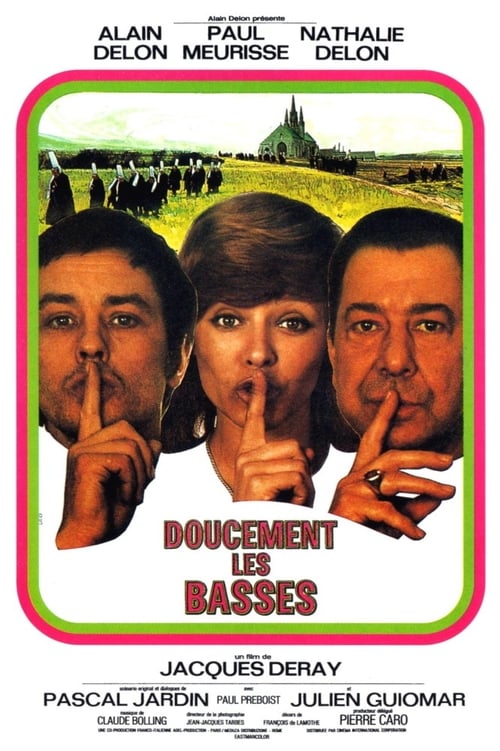
Jacques Deray
Runtime
90 minutes
Average Rating
No ratings yetNew Showbiz Analysis
Easy Down There! functions as a period-specific comedy that reinforces traditional social hierarchies. The narrative architecture relies on established religious and familial structures, centering on a priest's personal crisis involving a long-lost wife. The film adheres to the conventional norms of 1971 French cinema, lacking multi-layered depth. It focuses on the friction between clerical vows and domestic life, maintaining a traditional moral framework. Ultimately, the production reflects the homogeneous social landscape of its time, offering little in the way of diverse representation or social subversion.
Category Breakdown
The film does not include any LGBTQ+ characters or narratives. The central conflict revolves around traditional marital and clerical structures rather than queer identities.
The story centers on a priest and a returning wife, emphasizing traditional domestic and religious roles. There is no indication of challenging gender hierarchies.
As a 1971 French-Italian production, the film likely reflects the homogeneous social structures of its era. There is no indication of a non-white majority cast.
The plot engages with the Catholic Church and the nuclear family. Comedy arises from tensions between religious vows and domestic reality.
There is no mention of characters with visible or invisible disabilities within the narrative.
Present on Screen
Limited or Absent
Official Synopsis
A priest gets a little hot under the collar when the wife he thought was dead unexpectedly returns.
1987
1983
1958
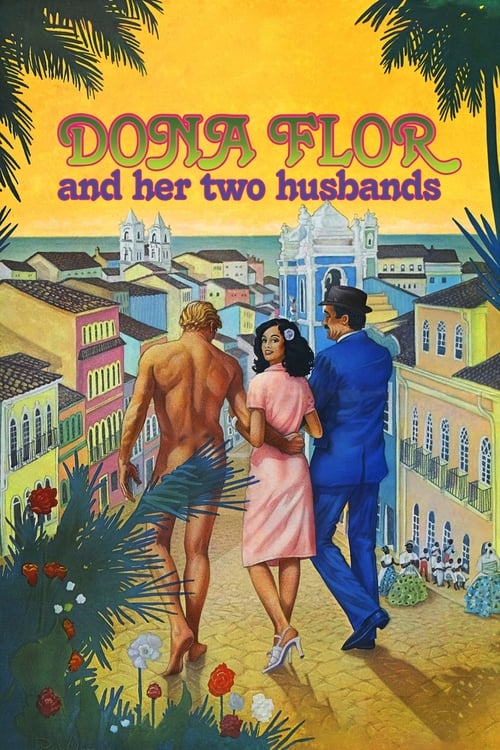
1976
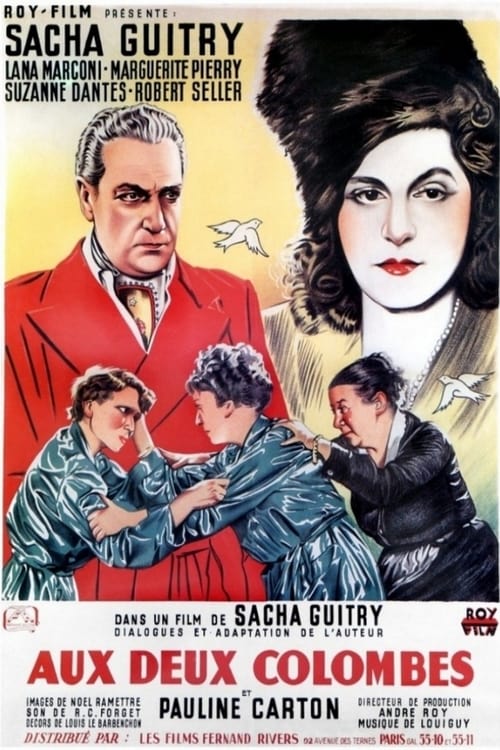
1949
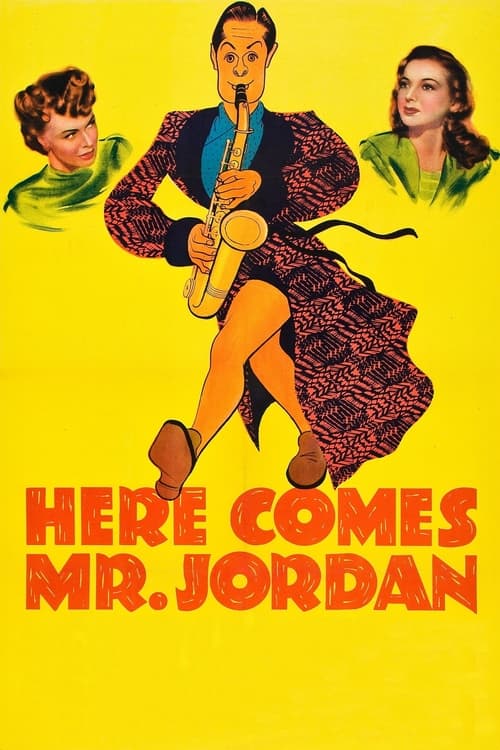
1941
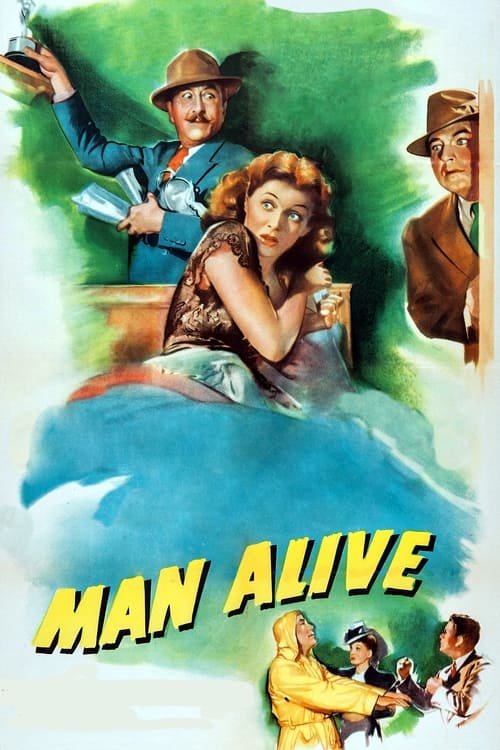
1945
1963
No reviews yet. Be the first to share your thoughts on this movie!
Use the rating form above to leave a star rating and optional review.