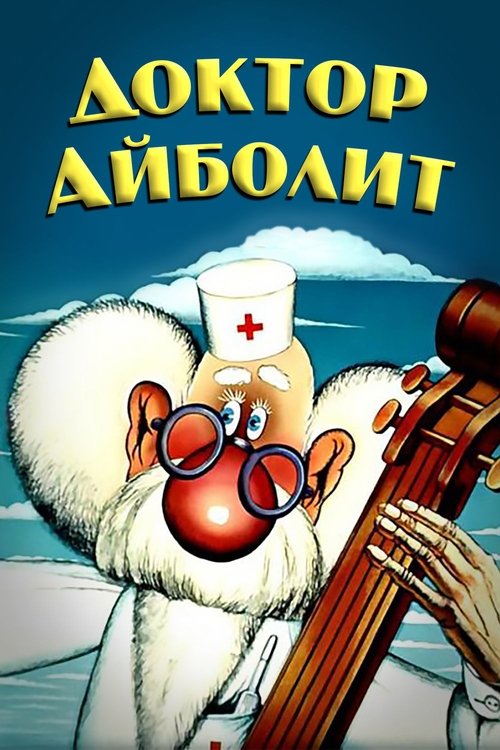
Doctor Aybolit
1986
No user ratings available yet
Representation score: 5.4 out of 10
Representation Score
Fair
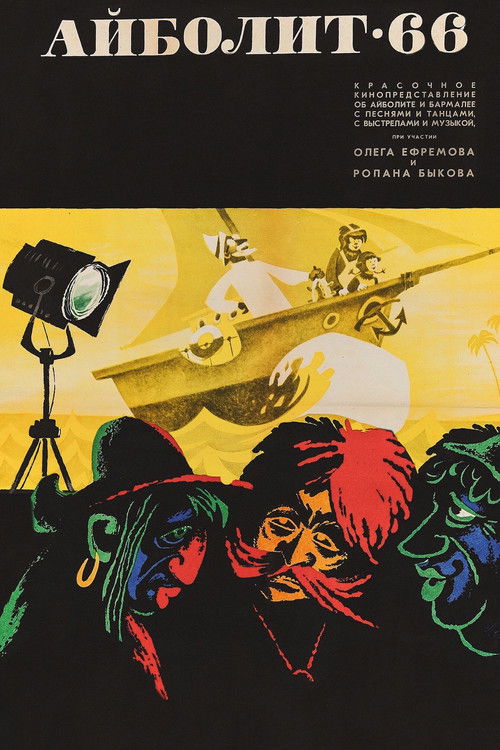
1966
Director
Rolan Bykov
Runtime
98 minutes
Average Rating
No ratings yetNew Showbiz Analysis
Aybolit-66 is a traditional moral fable that emphasizes communal care and humanist values. While it avoids promoting aggressive social hierarchies, it adheres to the conventional narrative structures of 1960s Soviet animation. The film's strengths include its promotion of collectivist values and social service. However, it relies on outdated clichés, such as the international savior dynamic and a lack of diverse character's ability to drive the story. Ultimately, the work serves as a didactic adventure rather than a complex exploration of identity or systemic issues.
Category Breakdown
The film does not include any LGBTQ+ identities or same-sex relationships. It features traditional character types common in mid-century children's media.
The story focuses on Dr. Aybolit, a male character known for his professional skills. It lacks strong female characters or challenges to traditional gender roles.
Set in Africa, the film portrays a 'savior' dynamic where a doctor travels abroad to solve a crisis. It does not explore the complexities of cultural and racial diversity.
The narrative highlights secular, humanist values through scientific and veterinary interventions. It emphasizes Soviet-era ideals of collective service and social welfare.
The illness among the monkeys serves as a plot device to advance the story. The film does not delve into the nuances of neurodivergence or physical disabilities.
Present on Screen
Limited or Absent
Official Synopsis
In Africa, monkeys fell ill. This news was reported to Dr. Aybolit by the monkey Chichi, who escaped from the robber Barmaley. Aybolit and his assistants — Chichi and the dog Avva — are in a hurry to save the monkeys from the disease. But Barmaley and his robbers are trying to stop them.
1986
1970
1965
1968
1964
1959
1958

1963
No reviews yet. Be the first to share your thoughts on this movie!
Use the rating form above to leave a star rating and optional review.