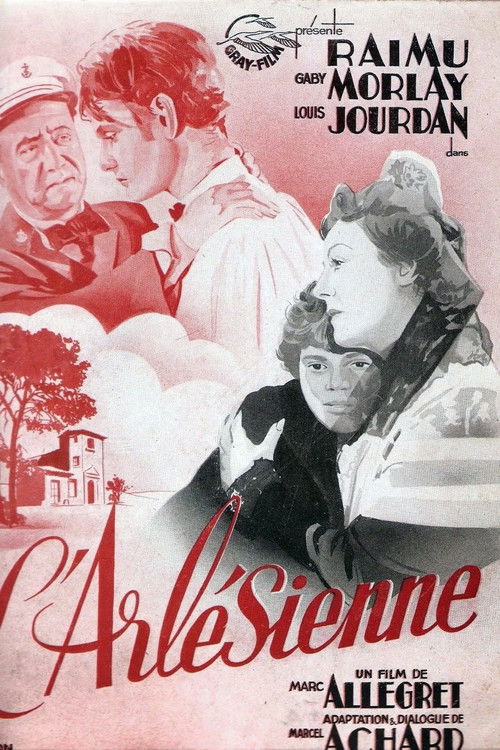
L'Arlésienne
1942
No user ratings available yet
Representation score: 0.6 out of 10
Representation Score
Limited
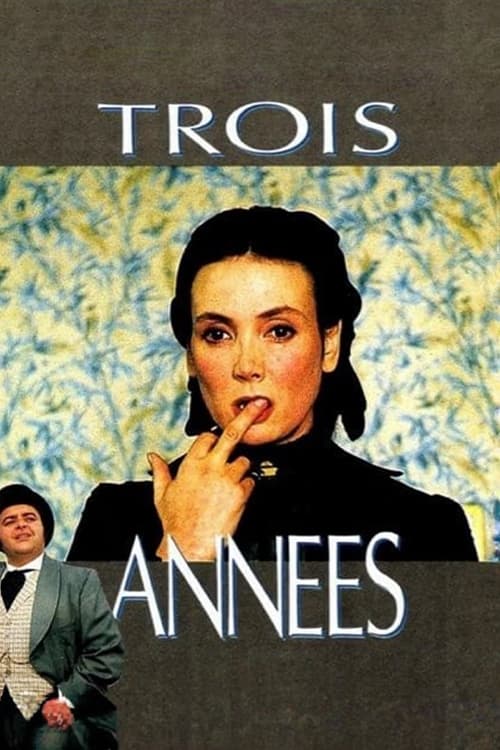
1990
Director
Fabrice Cazeneuve
Runtime
93 minutes
Average Rating
No ratings yetNew Showbiz Analysis
Three Years is a traditional period drama that prioritizes character study over broader social critique. While it avoids the cliché of submissive female roles by centering Julia's emotional ability to act, the film remains within the bounds of conventional historical storytelling. The production lacks diversity, offering little in the way of queer narratives or racial diversity. It adheres to the demographic constraints of its 19th-century setting, focusing instead on the fragility of social institutions like marriage. Ultimately, the film succeeds as a nuanced look at female autonomy but fails to engage with broader progressive discourses or diverse social identities.
Category Breakdown
The film focuses on a marital dissolution and romantic passion. There is no evidence of queer narratives or non-cisgender identities within the story.
Julia serves as the emotional center, navigating a marriage built on financial transactions. The story highlights her internal realization and emotional autonomy within a 19th-century context.
Set in the aftermath of 1870, the film reflects a homogeneous European social structure. It lacks evidence of diverse casting or racial diversity.
The narrative critiques marriage as a transactional Western institution rather than a purely romantic one. It functions primarily as a character study of interpersonal disillusionment.
The available information provides no evidence regarding characters navigating physical, neurodivergent, or mental health conditions.
Present on Screen
Limited or Absent
Official Synopsis
After the French defeat of 1870, Julia took three years to love Alexander, with whom she married for her fortune. Alas, when Julia wants to declare his love to her husband, the latter confesses to him that his passion is extinguished.
1942

1971
2000
2007
1999

1988
2011

2016
No reviews yet. Be the first to share your thoughts on this movie!
Use the rating form above to leave a star rating and optional review.