And Then We Danced
2019
No user ratings available yet
Representation score: 6.7 out of 10
Representation Score
Good
2024
RDirector
Luca Guadagnino
Runtime
132 minutes
Average Rating
No ratings yetNew Showbiz Analysis
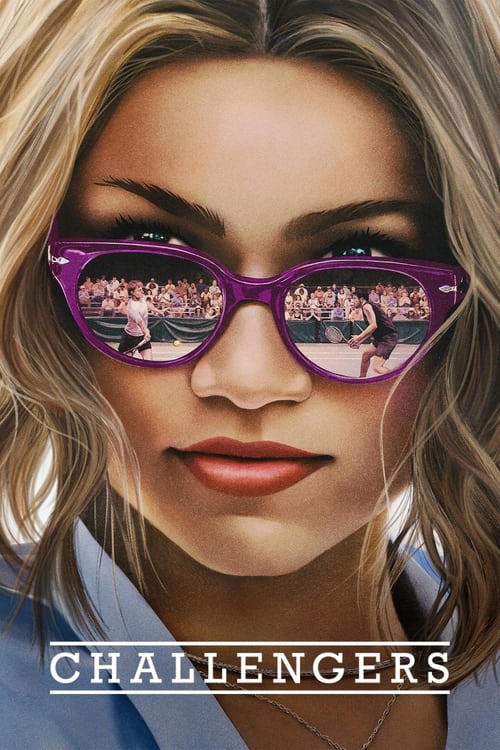
Challengers stands out as a sophisticated examination of power and control, especially through its reconfiguration of gender dynamics. By placing a strong female lead who shapes the male characters' paths at the center, the film overturns traditional expectations of passive females. However, the film's reach is limited by a lack of diversity in other areas. The absence of LGBTQ+ identities and characters with disabilities restricts a more inclusive narrative. Overall, the film marks a significant shift from traditional storytelling, replacing stable romantic archetypes with a complex, morally ambiguous exploration of competitive drive and sexual politics.
Category Breakdown
The story revolves around a heterosexual relationship but explores fluid sexual tension and questions monogamy. However, it does not include explicit LGBTQ+ identities or non-conforming gender expressions.
Tashi Duncan challenges traditional gender roles by taking charge of the conflict. She exerts strategic and emotional control over the male characters in a traditionally masculine setting.
The protagonist, Tashi, offers meaningful representation through her mixed-heritage/South Asian background. This choice breaks the typical uniform depiction of elite professional tennis players.
The film emphasizes personal passion and professional success over traditional values. It portrays these pursuits as morally ambiguous and transactional.
The narrative does not feature characters with visible or invisible disabilities. It focuses on the physical and psychological aspects of able-bodied athletes without addressing neurodivergence or physical impairments.
Present on Screen
Limited or Absent
Official Synopsis
Tennis player turned coach Tashi has taken her husband, Art, and transformed him into a world-famous Major champion. To jolt him out of his recent losing streak, she signs him up for a "Challenger" event — close to the lowest level of pro tournament — where he finds himself standing across the net from his former best friend and Tashi's former boyfriend.
2019

2018
2022
2016
1979
2016
2022
2023
No reviews yet. Be the first to share your thoughts on this movie!
Use the rating form above to leave a star rating and optional review.