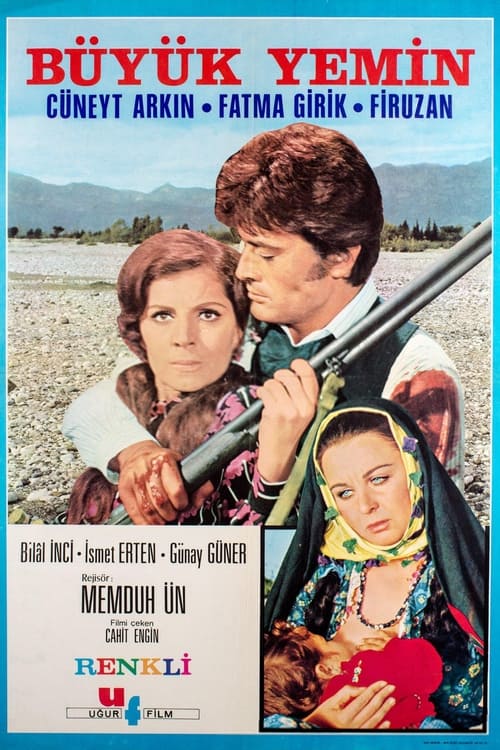
Büyük Yemin
1969
No user ratings available yet
Representation score: 3.1 out of 10
Representation Score
Limited
1970
Director
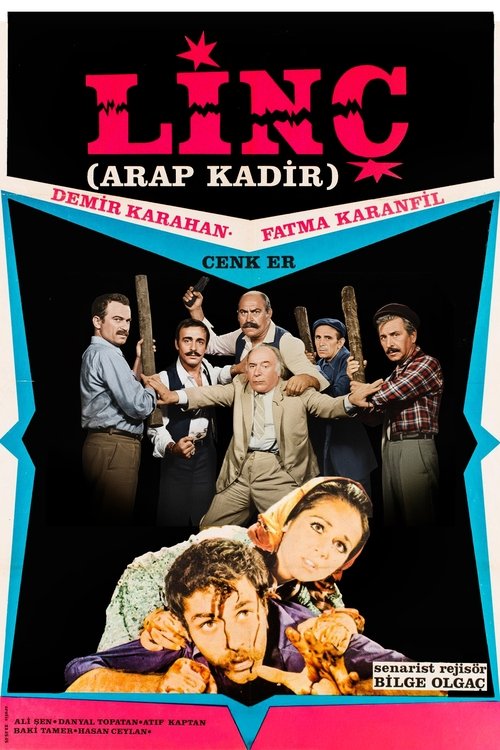
Bilge Olgaç
Runtime
97 minutes
Average Rating
No ratings yetNew Showbiz Analysis
Linç is a social realist study of collective psychology and the fragility of institutional justice. It transitions from a structured legal framework into the chaotic impulses of a mob, critiquing how perceived righteousness can supersede formal law. The film's primary strength lies in its sophisticated critique of systemic failure, challenging the notion of stable institutions. However, the film lacks demographic breadth, focusing on a male-dominated sphere and a relatively homogeneous cultural context, offering limited representation for women or LGBTQ+ identities.
Category Breakdown
The film does not include any LGBTQ+ characters or narratives addressing non-straight relationships. The story focuses solely on prison hierarchies and mob dynamics.
The story revolves around a male-dominated environment where conflicts are centered on violence. Women are shown as peripheral figures and do not play a significant role in driving the main plot.
The film depicts a relatively homogeneous community typical of 1970s Turkish social realism. It does not blend diverse backgrounds to challenge demographic norms.
The narrative effectively critiques institutional stability by showing the failure of formal legal authority. It explores how collective perception can override established social order.
The film does not depict any visible or invisible disabilities that serve as central narrative drivers or character arcs.
Present on Screen
Limited or Absent
Official Synopsis
The film tells the story of a convict who fights against the injustice of prison management. Arap Kadir is new to prison. He earns prison leader Fethi’s trust in no time thanks to his honesty and audacity. But Arap Kadir is left with no protection when Fethi is exiled to another prison. Seeing this as an advantage, the management decide to bring Arap Kadir to his knees.
1969
1982
1990

2022

1983

1947

1966

1979
No reviews yet. Be the first to share your thoughts on this movie!
Use the rating form above to leave a star rating and optional review.