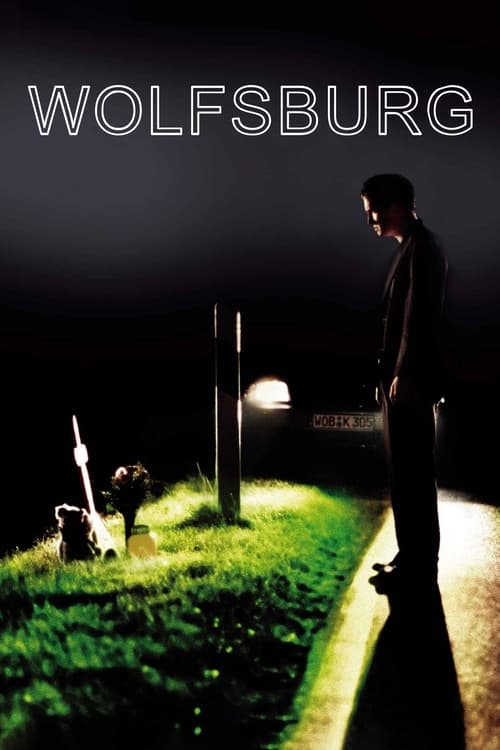
Wolfsburg
2003
No user ratings available yet
Representation score: 5.0 out of 10

Representation Score
Minimal
2012
Director
Christophe Sahr
Runtime
89 minutes
Average Rating
No ratings yetNew Showbiz Analysis
Freeway opens on a black screen claiming "true events," immediately framing the subsequent social drama as a factual recounting of teenage toxicity. The film argues that the horror of school violence is not supernatural but structural: a sterile, cold environment where peer pressure is the only law. The camera lingers on Alex’s pale, anxious face, granting him sympathy, while Rachel is lit with a seductive, dangerous glow, her beauty framed as a weapon of social control. The sold meaning is that the system is broken, not just the individual. Adults are the running gag—clumsy, distracted, and ineffective—while the students navigate a hierarchy where sexual access equals status. Rachel harms through manipulation, yet she is never legally punished; she remains a figure of power and mystery, her damage absorbed by the victims. The film’s internal logic pulls apart here: it critiques the "monster" as a product of a toxic culture, yet the resolution is personal, not systemic. The last image settles on Alex and Jennyfer walking away, holding hands, in a sunlit courtyard. The danger is ambient and unresolvable; the killer is not caught, but the couple survives. This ending rewards "normalcy" and endurance, suggesting that the only victory in a broken system is maintaining one’s integrity. The film is a social drama disguised as a thriller, where the true villain is the indifference of the institutions meant to protect.
Category Breakdown
No queer characters or intimacy appear. The narrative tracks heterosexual teenage dynamics and Alex’s guilt. Identity markers are absent from the cast and plot.
Alex is the passive moral center; Rachel is a predatory antagonist wielding social power. Men are inept observers, while women hold the hierarchy. The camera ultimately rewards the male lead’s endurance.
The cast is predominantly white French, reflecting the school setting. Kataryna Fernandez appears as Jennyfer, but race is not a thematic driver. Social hierarchy relies on popularity and class, not ethnicity.
The film treats school and family as failing institutions. Adults are depicted as incompetent or oblivious, serving as the joke of authority. The system’s inability to protect students is the central cultural critique.
No characters are depicted with physical, sensory, or cognitive disabilities. The film’s focus is on social anxiety and peer pressure, not impairment. Disability is entirely absent from the narrative.
Present on Screen
Limited or Absent
Official Synopsis
A 20-year-old father obsessed with muscle cars must address his own guilt when he recklessly hits a young man on the freeway and flees the scene.
2003

2000

2012

2013

2020

2007

2012

2007
No reviews yet. Be the first to share your thoughts on this movie!
Use the rating form above to leave a star rating and optional review.