Three Worlds
2012
No user ratings available yet
Representation score: 5.6 out of 10
Representation Score
Fair
2003
Director
Christian Petzold
Runtime
90 minutes
Average Rating
No ratings yetNew Showbiz Analysis
Christian Petzold’s drama is a sophisticated character study that prioritizes the fragmentation of memory and the instability of truth. It functions as a psychological exploration of a hit-and-run accident rather than a vehicle for social commentary. The film operates within a traditional European cinematic framework, focusing on an individual's internal moral crisis. Because the narrative is driven by personal guilt and existentialism, it lacks the demographic markers or systemic critiques necessary for higher diversity scores. Ultimately, the work values intellectual exploration of the human psyche over engagement with diverse social or demographic frameworks. It remains within conventional narrative boundaries regarding identity and representation.
Category Breakdown
The film does not prominently feature LGBTQ+ characters or narratives that challenge the assumption that everyone is straight or cisgender. Intimacy is explored through conventional means without highlighting non-assuming gender matches what was assigned at birth identities.
The story centers on a male protagonist's journey of guilt. It does not actively challenge traditional gender hierarchies or portray masculinity in ways that disrupt conventional social roles.
The cast appears relatively homogeneous, focusing on a localized European setting. There is no significant evidence of diverse casting or intentional representation that reflects multiple aspects of identity.
The narrative focuses on subjective morality and existential crises rather than systemic critiques. It avoids deconstructing traditional institutions like religion or the family unit.
There is no significant evidence of characters with visible or invisible disabilities. The film's psychological tension does not extend to meaningful representations of neurodivergence or physical disability.
Present on Screen
Limited or Absent
Official Synopsis
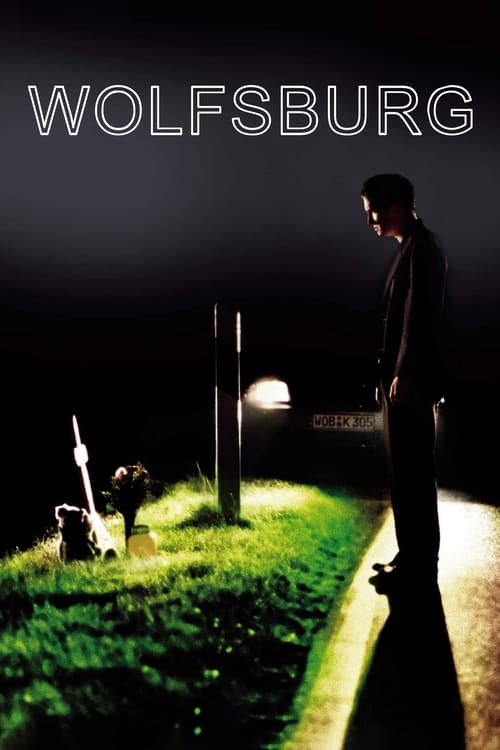
Philipp Gerber is a smart, but self-satisfied car salesman. In an inattentive moment at the wheel of his car, he runs over a boy on a bike and, instead of helping him, he drives away. As he has feelings of guilt, he tries to find out more about the accident’s victim.
2012

2000

1978
2013
2007

1999
2007
2017
No reviews yet. Be the first to share your thoughts on this movie!
Use the rating form above to leave a star rating and optional review.