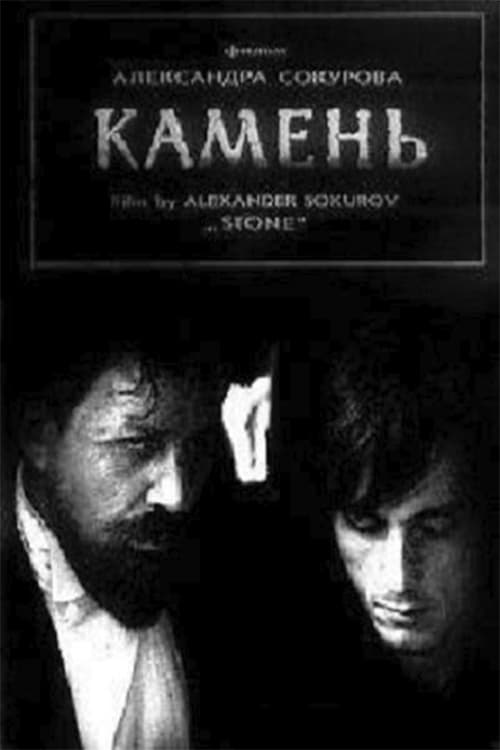
Stone
1992
No user ratings available yet
Representation score: 0.7 out of 10
Representation Score
Fair
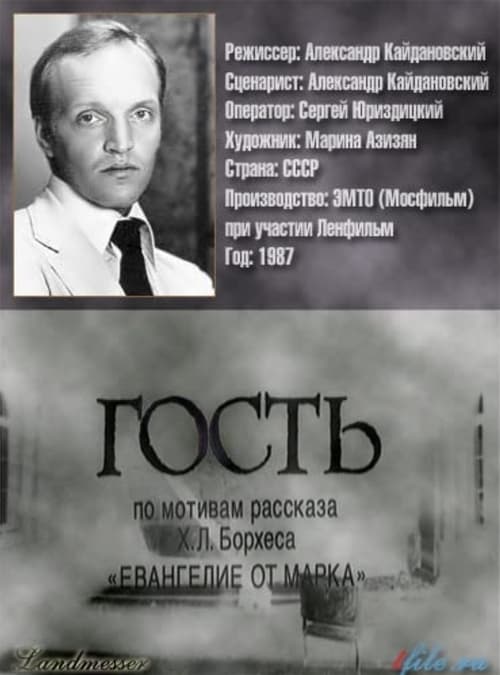
1987
Director
Aleksandr Kaydanovskiy
Runtime
85 minutes
Average Rating
No ratings yetNew Showbiz Analysis
The film focuses on intellectual and literary abstraction rather than modern diversity representation. Its strength lies in its departure from conventional storytelling through the use of metaphysical themes. However, the work lacks clear markers of diversity in terms of gender, race, and LGBTQ+ identities. The focus remains heavily on philosophical inquiry rather than social or identity-based character arcs. Ultimately, the film is a cerebral exploration of reality that favors subjective morality over a diverse, representative ensemble.
Category Breakdown
The film does not include any clear representation of LGBTQ+ identities or same-sex relationships. Although the source material explores existential themes, there are no explicit LGBTQ+ storylines or characters.
The narrative emphasizes philosophical and symbolic themes rather than gender dynamics. There is no clear indication of strong female roles or subversion of traditional gender roles.
As a Soviet-era film based on Argentinian literature, the production has a unique cultural context. However, there is no confirmed information about ethnic or racial diversity in the casting.
The film uses Borges's surrealism to question religious certainty and prioritize metaphysical inquiry over traditional religious or nationalistic narratives.
There is no mention of characters with visible or invisible disabilities in the available production details or synopsis.
Present on Screen
Limited or Absent
Official Synopsis
The script is based on Borges's story "The Gospel according to St. Mark".
1992
1967
1985
1973
1992
1982
1978
1974
No reviews yet. Be the first to share your thoughts on this movie!
Use the rating form above to leave a star rating and optional review.