
I delitti del BarLume - Donne con le palle
2020
No user ratings available yet
Representation score: 4.8 out of 10

Representation Score
Fair
2021
Director
Roan Johnson
Runtime
110 minutes
Average Rating
No ratings yetNew Showbiz Analysis
Roan Johnson’s film serves as a microcosm of societal fragmentation during a global crisis. It moves away from traditional moral frameworks, focusing instead on the situational ethics of survival and the subjective experiences of young adults. The narrative deconstructs authority by pitting protagonists against systemic obstacles, such as an exploitative landlord. This approach prioritizes the individual experiences of a fluid demographic over established social hierarchies. While the film captures the universal tension of urban isolation, it lacks specific details about racial casting or disability representation. It excels as a study of contemporary instability and institutional critique.
Category Breakdown
The film explores the personal fears and loves of four young adults living together. This non-traditional domestic setup suggests a move away from conventional heterosexual norms.
The story focuses on four young people under thirty, emphasizing their collective role in driving the plot. The tension within the shared apartment hints at a shift from traditional gender roles.
Set in ancient Rome, the film mirrors modern global cities like Paris and New York. This cosmopolitan environment highlights a diverse, multicultural experience.
The story critiques traditional power structures by portraying a landlord as a shady antagonist. It avoids a single moral stance, instead focusing on systemic issues and moral ambiguity.
There is no specific evidence regarding the portrayal of physical or neurodivergent disabilities in the film.
Present on Screen
Limited or Absent
Official Synopsis
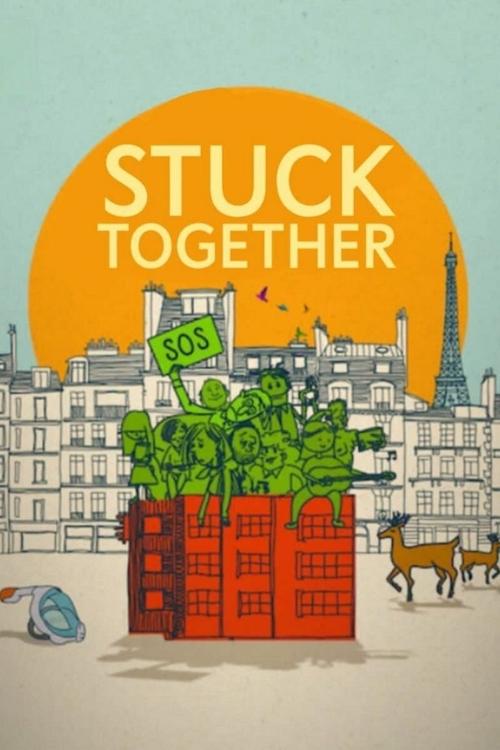
The world out there is halted by a pandemic, and during lockdown, an apartment in Rome becomes the same as one in Milan, Naples, Paris, and New York. Each one lives a story identical to all the others, yet unique and personal. Four young people under thirty have been sharing an apartment for some time and, stopped by the infection, find themselves facing shadows bigger than living there. The opportunity to make some easy money at the expense of their shady landlord will lead to a crescendo of tension and delirium. The young people's choices and actions will become increasingly ambiguous as the consequences upend their dreams and hopes, fears and loves, until the unexpected ending.
2020

2009

2021
2021

2018

2017
2021

2019
No reviews yet. Be the first to share your thoughts on this movie!
Use the rating form above to leave a star rating and optional review.