The Deadly Visitor
1973
No user ratings available yet
Representation score: 4.7 out of 10
Representation Score
Fair
1969
Director
Lela Swift
Runtime
52 minutes
Average Rating
No ratings yetNew Showbiz Analysis
Dead of Night: A Darkness at Blaisedon stands out for its era due to Lela Swift's direction. As a female director in the late 1960s horror scene, her involvement provides a unique perspective in a male-dominated field. The film includes the character Sajeed Rau, which adds racial diversity for the period. This inclusion challenges the typical homogenous casting in period horror films. While the film centers on a female-driven storyline, it remains firmly rooted in traditional Western Gothic clichés. It lacks significant representation in LGBTQ+ and disability categories.
Category Breakdown
The film doesn't include any explicit LGBTQ+ characters or storylines. The plot follows a standard investigation without any hints of queer identities or non-straight relationships.
A female protagonist drives the plot forward through her connection to the mansion. This shifts the focus away from male characters to a woman's personal motivations.
The inclusion of an assistant named Sajeed Rau adds diversity to the cast for 1969. This non-Anglo-Saxon presence indicates a more integrated cast compared to typical horror films of the time.
The story draws from Western Gothic traditions using the haunted mansion cliché. It centers on family history and property within traditional supernatural narratives.
The film does not feature any characters dealing with physical or neurodivergent disabilities.
Present on Screen
Limited or Absent
Official Synopsis
Investigator Jonathon Fletcher and his assistant Sajeed Rau investigate an apparently haunted mansion at the request of the woman who has inherited it.
1973
1971
2019

1989
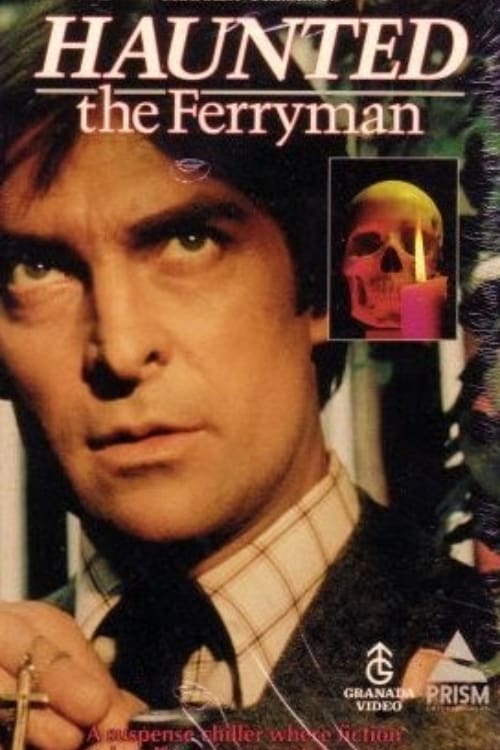
1974
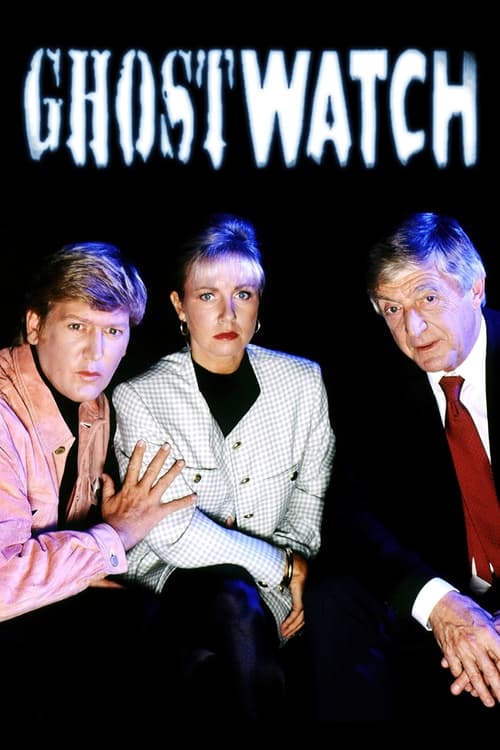
1992
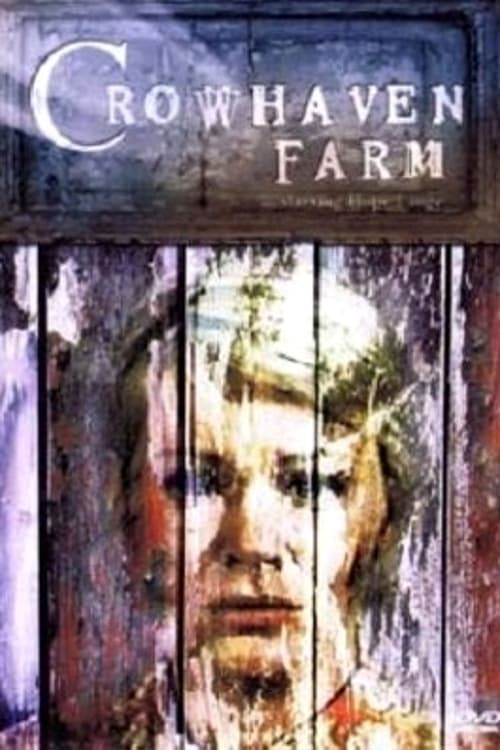
1970
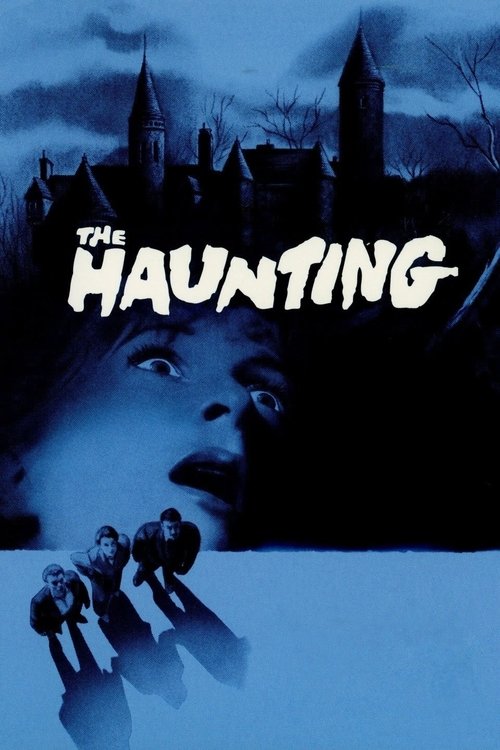
1963
No reviews yet. Be the first to share your thoughts on this movie!
Use the rating form above to leave a star rating and optional review.