
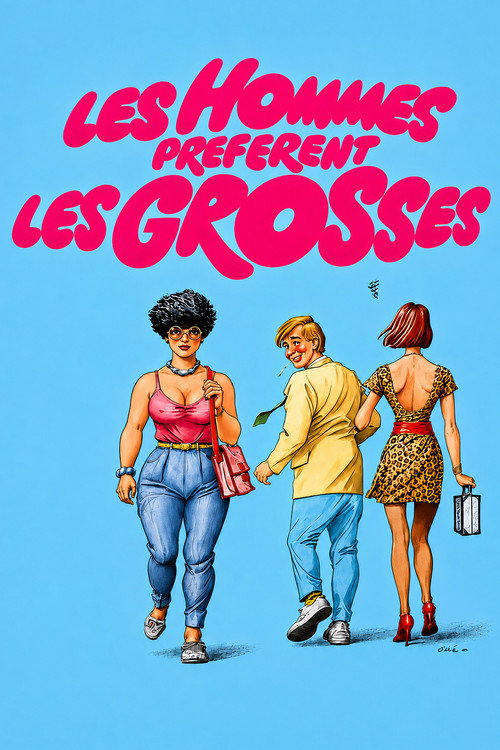
J'ai faim !!!
2001
No user ratings available yet
Representation score: 0.8 out of 10
Representation Score
Good
1981
Director
Jean-Marie Poiré
Runtime
86 minutes
Average Rating
No ratings yetNew Showbiz Analysis
This 1981 comedy serves as a transitional work that challenges traditional romantic clichés. By utilizing a script by Josiane Balasko, the film shifts the focus toward female-centric ability to act and the subversion of conventional femininity. While the film succeeds in critiquing gendered power dynamics and social expectations regarding beauty, it remains limited in its breadth of representation. The narrative lacks significant racial diversity and explicit LGBTQ+ visibility, maintaining a relatively homogeneous social environment. Ultimately, the film's strength lies in its critique of social superficiality. It moves away from the cliché of the submissive female, instead presenting a protagonist who navigates economic and social pressures through her own resilience.
Category Breakdown
The film explores unconventional female friendships between Lydie and Eva. However, it lacks explicit depictions of same-sex intimacy or non-straight relationships.
The story centers on a woman's social evolution following a breakup. It emphasizes her ability to drive the story and the influence of her peers, rather than seeking validation from men.
The narrative appears to focus on a homogeneous social milieu. There is no evidence of significant racial blending or diverse casting within this period piece.
The film critiques social superficiality and economic instability. It focuses on individual resilience against beauty standards and the fragility of traditional social contracts.
The plot uses the protagonist's perceived physical unattractiveness as a primary character driver. It lacks specific evidence of casting actors with visible disabilities.
Present on Screen
Limited or Absent
Official Synopsis
Lydie, a physically unattractive young woman, is brutally dumped by her fiancé when she had just acquired the lease of an apartment to live with him.
2001
1978

1989

1977

1984

1976

1981
1978
No reviews yet. Be the first to share your thoughts on this movie!
Use the rating form above to leave a star rating and optional review.