
Loris Is Fine
2017
No user ratings available yet
Representation score: 7.1 out of 10
Representation Score
Good
2001
Director
Laura Muscardin
Runtime
90 minutes
Average Rating
No ratings yetNew Showbiz Analysis
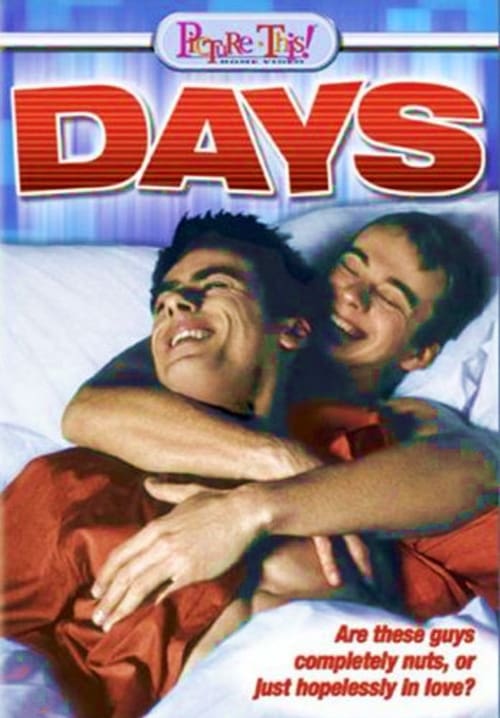
Days is a sophisticated character study that prioritizes psychological depth over conventional plot structures. By centering on a gay man managing long-term HIV, the film moves beyond surface-level representation to explore the intersection of identity and health. The film's strength lies in its refusal to rely on common clichés, such as the 'coming out' narrative or the 'stoic provider' archetype. Instead, it offers a complex look at how medical routines and domestic stagnation shape a person's inner world. While the film excels in queer and disability representation, it lacks breadth in other areas. The focus on a specific social milieu results in limited racial and gender diversity, making it a deeply personal rather than a broadly inclusive work.
Category Breakdown
The film focuses on a gay male protagonist and his daily life, avoiding typical coming-out stories. Instead, it highlights the intersection of identity and chronic illness.
The drama challenges traditional masculine stereotypes by emphasizing vulnerability and emotional fatigue. However, the narrative lacks significant female influence, limiting gender representation.
The story seems to focus on a localized social setting. There is no clear indication of a multi-ethnic cast or intentional blending of racial identities within the character arcs.
The narrative explores the tension between institutional stability and individual freedom. It presents the conflict between systemic order and personal impulses through a lens of moral complexity.
Claudio’s decade-long management of HIV provides a nuanced portrayal of invisible disability. The film examines the psychological impact of long-term medicalization rather than using illness as a mere tragedy.
Present on Screen
Limited or Absent
Official Synopsis
Bank manager Claudio is 35 and gay, and he's been HIV-positive for a decade. He's managing the illness, but his strict regimen of medicine has turned him almost robotic. His relationship with partner Dario has also grown stale. When Claudio reunites with the mysterious Andrea, an old flame, the dullness of routine is suddenly broken. But soon, Andrea's romantic view of life tempts Claudio to engage in dangerous unprotected sex again.
2017

1986

2007

2012

1996

2011

2020

1993
No reviews yet. Be the first to share your thoughts on this movie!
Use the rating form above to leave a star rating and optional review.