
Welcome to the Darkness
2023
No user ratings available yet
Representation score: 4.1 out of 10
Representation Score
Fair
2015
Runtime
59 minutes
Average Rating
No ratings yetNew Showbiz Analysis
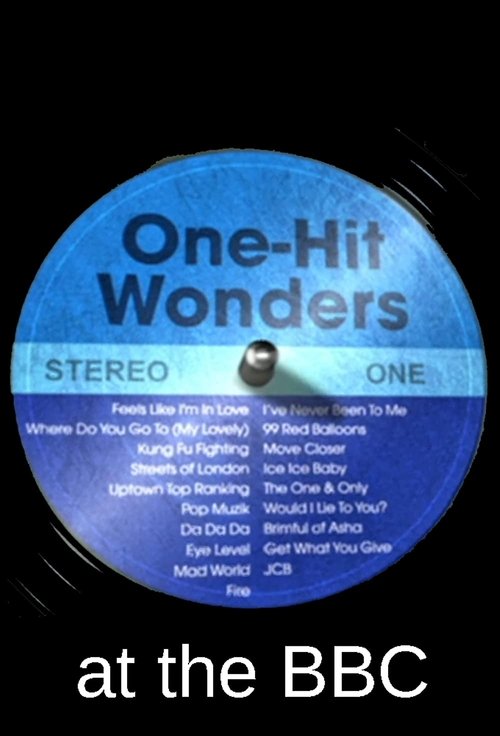
The film opens with grainy, desaturated BBC archive footage, immediately establishing a tone of nostalgic reverence for the British pop canon. It sells the idea that a single hit is a form of cultural immortality, framing the "one-hit wonder" not as a failure but as a specific, dignified status. The camera treats the aging musicians with gentle curiosity, using beauty lighting to soften their features and position them as survivors of time rather than victims of the industry. The argument rests on the BBC as a benevolent archive, a neutral institution that preserves memory without judgment. This framing avoids any critique of the music industry’s gatekeeping or the systemic barriers that prevent artists from sustaining careers. The film’s internal logic is consistent: it celebrates the artifact over the artist, suggesting that the recorded song outlasts the human body. The last image, a montage of the featured artists, reinforces this by returning to the original performance clips, leaving the mystery of their subsequent careers unresolved but untroubled. The sold meaning is one of national cultural pride, where the BBC’s role is to curate and preserve. The contradiction lies in the film’s silence on the structural forces that create one-hit wonders in the first place. By treating fame as a fleeting gift rather than a systemic outcome, the film upholds the status quo of the music industry. The camera loves the legend, not the labor, and the ending settles on a comfortable, unchallenged nostalgia that leaves the audience with a sense of closure rather than critical engagement.
Category Breakdown
No queer intimacy or identity appears in the archival clips. The focus remains strictly on musical performance and career longevity.
The cast skews heavily male, reflecting the era’s industry demographics. Female artists like Phyllis Nelson appear but do not drive the narrative or receive distinct moral weight.
The ensemble is predominantly white, mirroring the 1960s–1980s British pop scene. Tjinder Singh appears as a performer, but non-white artists lack narrative depth or power.
The BBC is framed as a benevolent cultural archive that preserves national memory. Fame is treated as a fleeting gift rather than a systemic failure, with no critique of industry gatekeeping.
No disabled characters, impairments, or accessibility themes are depicted. The artists’ aging bodies are visible but not framed as disability or medical issues.
Present on Screen
Limited or Absent
Official Synopsis
Compilation of some indelible hits by artists we hardly heard from again, at least in a chart sense. Featuring Peter Sarstedt's Where Do You Go To (My Lovely)? - a number one in 1969 and a hit he never really matched, Trio's 1982 smash Da Da Da, Phyllis Nelson's 1985 lovers rock-style classic Move Closer, and The New Radicals' 1999 hit You Get What You Give. We travel through the years selecting some of your favourite number ones and a few others that came close, revealing what's happened to the one-off hitmakers since and exploring the unwritten laws that help make sense of the one-hit wonder phenomenon.
2023
2021
2022
2018
2023
2016
1998
2013
No reviews yet. Be the first to share your thoughts on this movie!
Use the rating form above to leave a star rating and optional review.