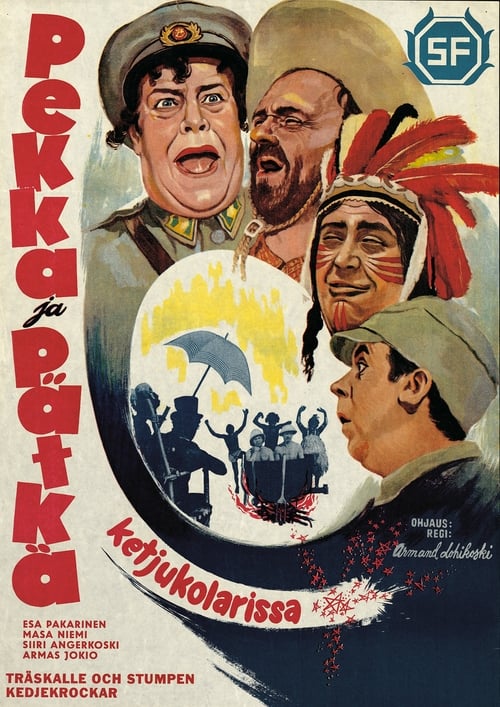
Pekka ja Pätkä ketjukolarissa
1957
No user ratings available yet
Representation score: 1.8 out of 10
Representation Score
Limited
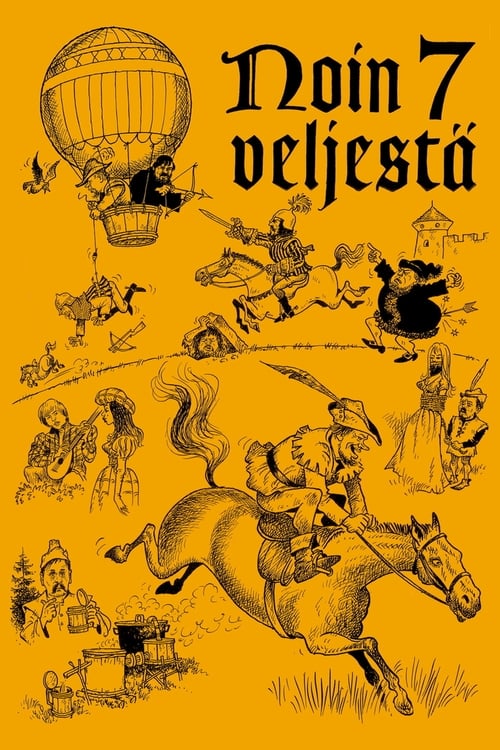
1968
Director
Jukka Virtanen
Runtime
97 minutes
Average Rating
No ratings yetNew Showbiz Analysis
Noin 7 veljestä is a classic social satire that emphasizes class conflict over contemporary diversity. While the film addresses systemic inequality through its depiction of the struggle between the landed elite and the peasantry, it remains constrained by the era's production standards. The narrative relies heavily on traditional masculine archetypes, such as the greedy lord and the outlaw, which limits gender diversity. Additionally, the period setting and localized European context result in a lack of LGBTQ+ and racial diversity. Ultimately, the film's strength lies in its critique of centralized wealth and authority, rather than its broad demographic representation.
Category Breakdown
The film does not include any explicit LGBTQ+ characters or non-straight relationships. The storyline adheres to traditional social structures typical of 1960s period comedies.
The plot focuses on male-dominated power structures involving lords, heirs, and outlaws. There is no visible challenge to gender hierarchies or strong female roles.
Set within a localized European feudal context, the cast is homogeneous. There is no indication of diverse ethnic representation or actors playing roles outside their traditional backgrounds.
The story critiques traditional power hierarchies by portraying the outlaw as a champion for the poor. This tension highlights social justice and resource redistribution.
There are no characters with visible or invisible disabilities mentioned. No information is available to assess if disability is portrayed with real influence.
Present on Screen
Limited or Absent
Official Synopsis
The greedy lord of the manor, von Wurstburg, lives lavishly on his estate, heavily taxing the local peasants, when the official heir to the estate, the noble Sir William, arrives. At the same time, the mysterious outlaw Robin Hood, who helps the poor, sets up camp in the nearby woods. When the estate threatens to fall into Sir William's hands and the peasants rise up against von Wurstburg's excesses in Robin Hood's footsteps, the lord finds himself in a double bind.
1957
1985
1969
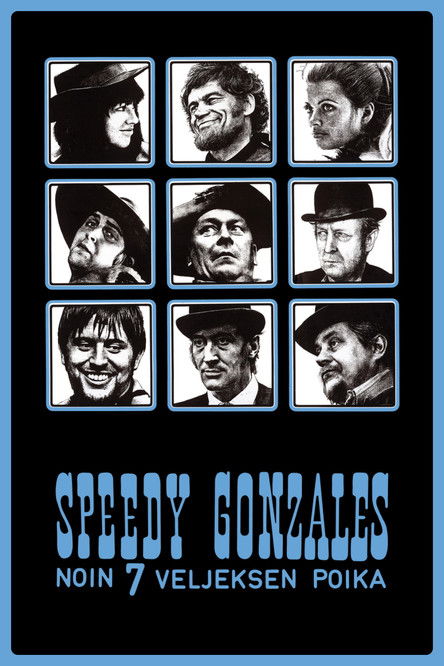
1970
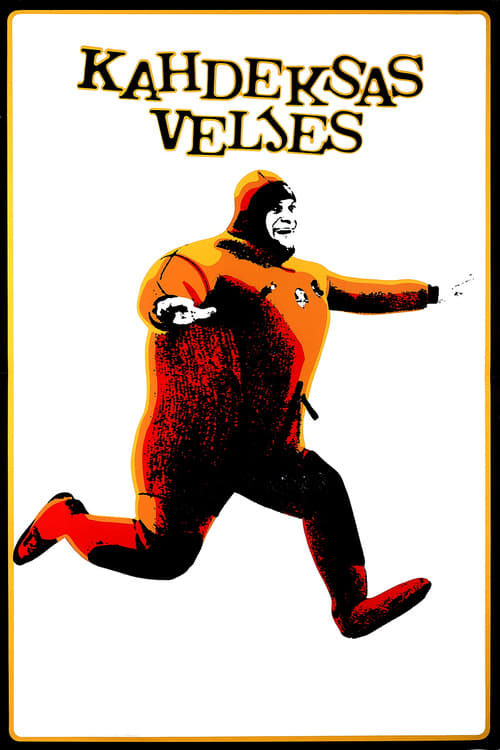
1971
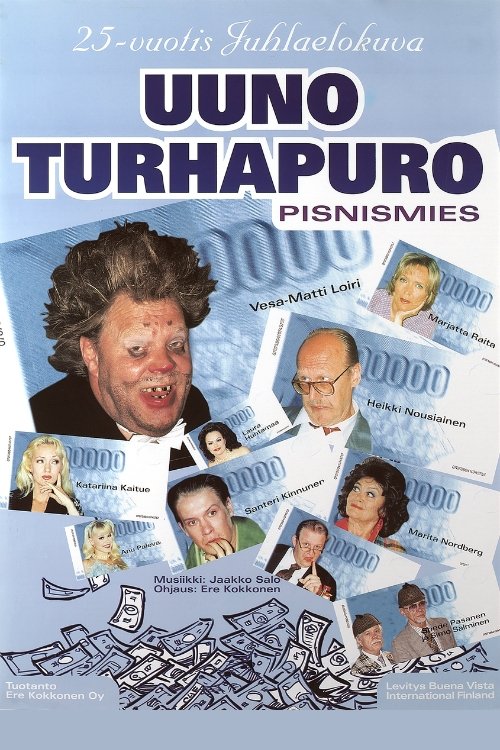
1998
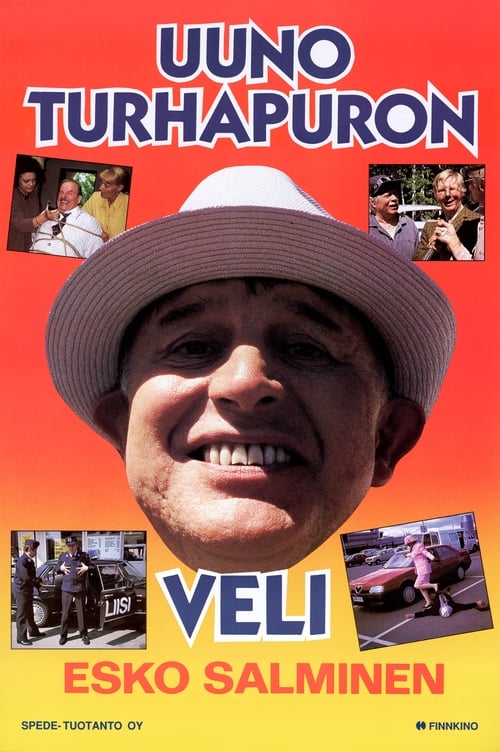
1994
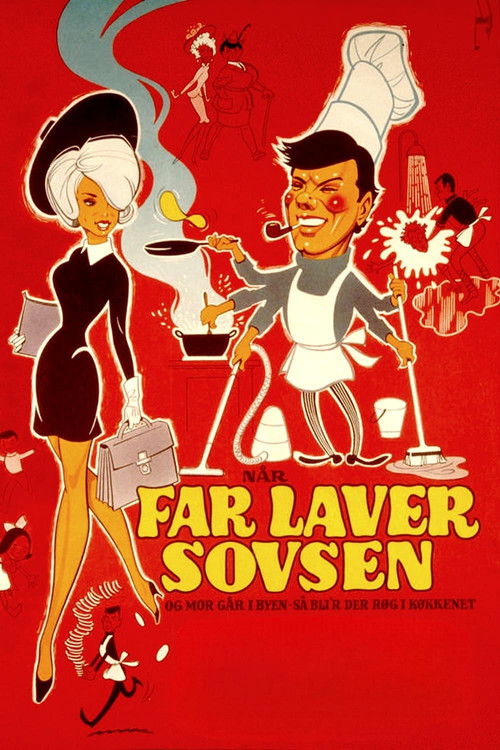
1967
No reviews yet. Be the first to share your thoughts on this movie!
Use the rating form above to leave a star rating and optional review.