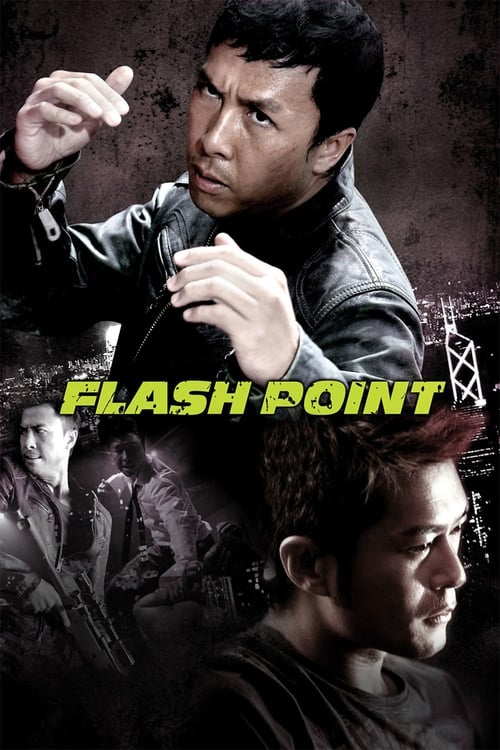
Flash Point
2007
No user ratings available yet
Representation score: 2.6 out of 10
Representation Score
Minimal
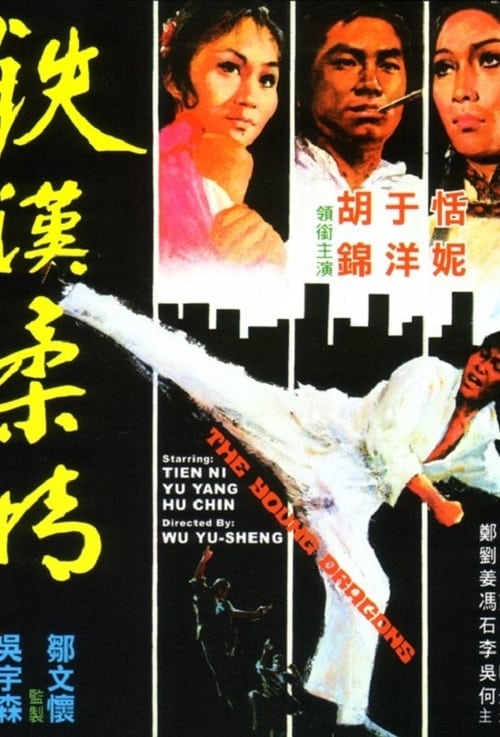
1974
Director
John Woo
Runtime
95 minutes
Average Rating
No ratings yetNew Showbiz Analysis
The film opens with the cold, transactional exchange of Japanese weapons, establishing a world where violence is a commodity and hierarchy is absolute. John Woo’s debut frames the 1930s Chinese underworld not as a systemic failure, but as a meritocracy of muscle, where the crime boss Long is the unmarked authority and the heroes are merely his more disciplined tools. The sold meaning is clear: order is maintained not by law, but by the superior physical competence of the righteous few who operate outside it. The narrative treats traditional gender roles as the natural order. Yan Hong is the virtuous widow, her value defined by her loyalty to the dead and her availability to the male lead, while the male characters wield the only power that matters: the ability to kill. The camera loves the men’s bodies, framing their martial skill as a moral currency that justifies their violence. When the undercover police officer is killed, the film does not critique the system that allowed it; instead, it transfers the burden of justice to the individual hero, reinforcing the idea that institutions are weak and personal retribution is the only reliable path to truth. The ending settles the moral ledger by rewarding the traditional hierarchy. The corrupt boss is defeated not by legal reform or social change, but by the superior martial skill of the protagonist, who restores the status quo by eliminating the anomaly. The film’s argument is that the existing power structure is sound, provided it is policed by the right kind of strong man. It is a conservative vision where the past is a fixed point, and the future is merely a repetition of the past’s most violent virtues.
Category Breakdown
The narrative relies on a strictly heterosexual romantic triangle between the male lead, the female lead, and a rival. No same-sex intimacy, queer identity, or non-binary characters appear on screen.
The female lead, Yan Hong, functions primarily as a grieving widow and moral anchor whose agency is reactive to male violence. Men hold all positions of power, combat competence, and decision-making authority.
The cast consists entirely of East Asian actors portraying characters in a historical Chinese setting. No non-white or Western characters appear, reflecting the insular, period-specific scope of the production.
The film validates a feudal power structure where the crime boss holds absolute authority and justice is delivered through extra-legal martial retribution rather than institutional reform. Loyalty to the clan and physical dominance are treated as the highest virtues.
No characters with physical, sensory, or cognitive impairments are depicted. The narrative focuses exclusively on able-bodied martial artists whose physical prowess is the primary metric of value.
Present on Screen
Limited or Absent
Official Synopsis
Powerful mobster Leung, protected by the dangerous Huan Fai, sells 200 Japanese weapons and ammo to a Chinese gang. He uses smuggler Luy Fu to bring the weapons but small-time thief Kim and his gang heist the shipment and dump the cargo into the sea. Meanwhile, Kim befriends Fan Ming, an undercover police office from Shanghai investigating Leung's crimes.
2007
1974
1989
1975
1973
1984
1995
1973
No reviews yet. Be the first to share your thoughts on this movie!
Use the rating form above to leave a star rating and optional review.