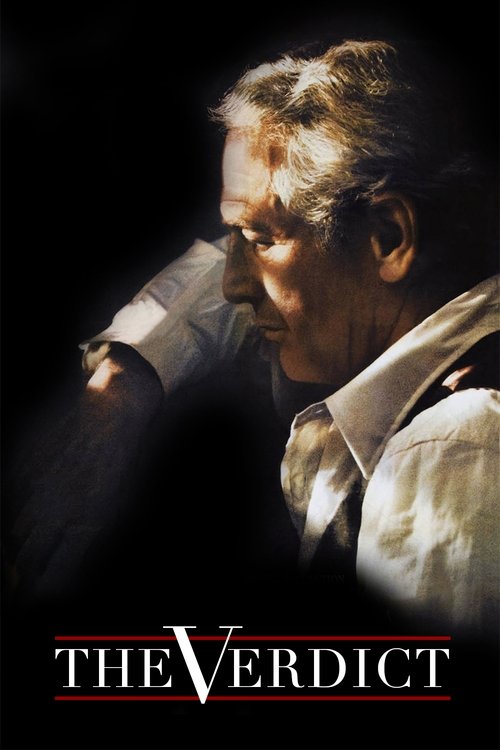
The Verdict
1982
No user ratings available yet
Representation score: 4.8 out of 10
Representation Score
Fair
1979
RDirector
Norman Jewison
Runtime
119 minutes
Average Rating
No ratings yetNew Showbiz Analysis
The film highlights a contrast between narrow representation and deep thematic exploration. On the surface, the cast and dynamics are limited, reflecting the professional hierarchies of the late 1970s. It lacks meaningful inclusion of LGBTQ+ identities, diverse racial backgrounds, or disability representation. However, the film offers a sophisticated critique of Western institutions by portraying the legal system as corrupt and flawed. This provides a nuanced social commentary on institutional power. While the film does not represent a wide range of human identities, it delivers a powerful critique of societal structures.
Category Breakdown
The film focuses on the professional lives of its main characters without including LGBTQ+ characters or non-assuming gender matches what was assigned at birth identities.
Female characters play supporting roles within the male-dominated legal profession, with limited independence or control over their own stories.
The film centers on a predominantly white professional class, with little emphasis on the experiences of people of color in Baltimore.
The film provides a critical look at Western institutions, depicting the legal system as corrupt and subject to political influence.
There is no significant portrayal of physical or neurodivergent disabilities, and disability is not used as a central theme or tool for character development.
Present on Screen
Limited or Absent
Official Synopsis
An ethical Baltimore defense lawyer disgusted with rampant legal corruption is forced to defend a judge he despises in a rape trial under the threat of being disbarred.
1982
1983
1998

1987
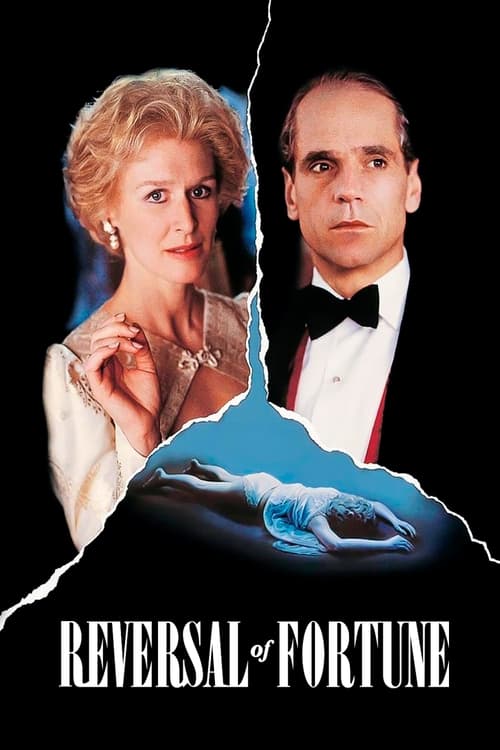
1990
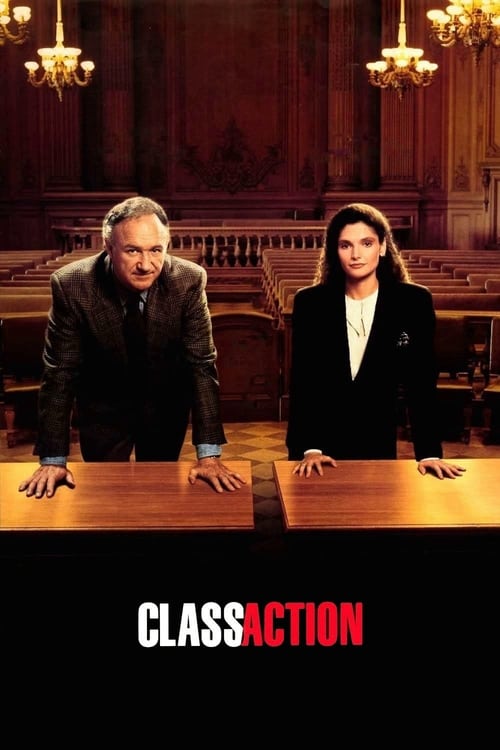
1991
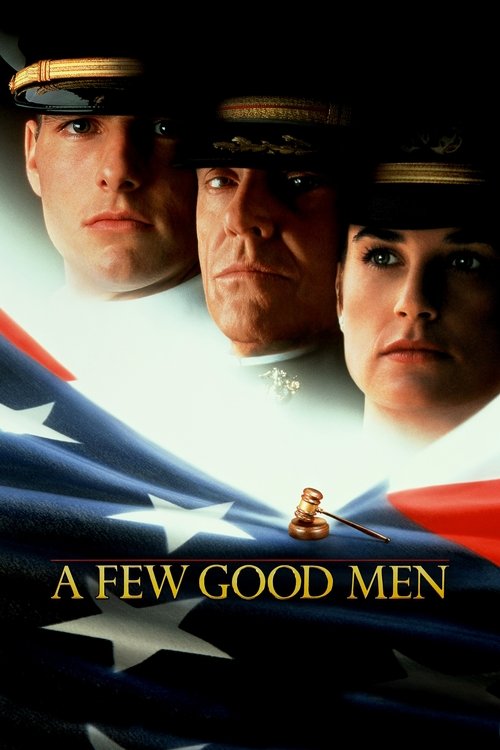
1992
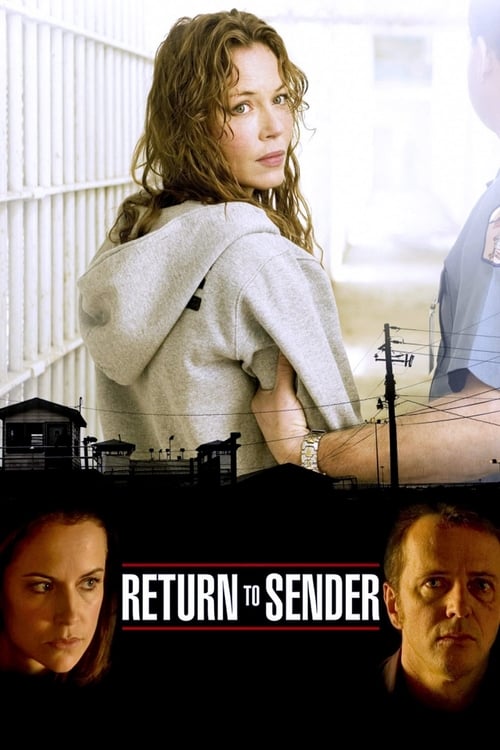
2004
No reviews yet. Be the first to share your thoughts on this movie!
Use the rating form above to leave a star rating and optional review.