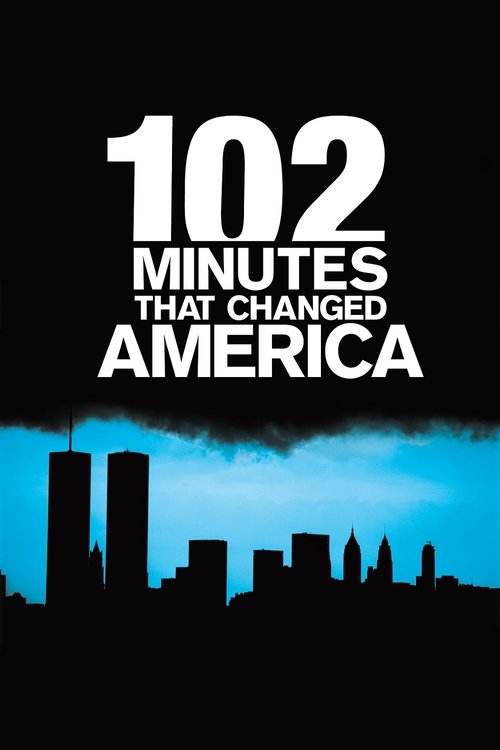
102 Minutes That Changed America
2008
No user ratings available yet
Representation score: 5.9 out of 10

Representation Score
Good
2013
Director
Tom Jennings
Runtime
46 minutes
Average Rating
No ratings yetNew Showbiz Analysis
The documentary's strength lies in its decentralized structure. By avoiding traditional narration and interviews, it allows local voices to shape the narrative. This approach provides a more democratic view of the American experience during a historical tragedy. However, the film's reliance on 2001-era archival media limits its ability to present intentional, diverse narratives. The representation is largely a byproduct of the raw footage rather than a curated effort to highlight specific underrepresented identities. Ultimately, the film broadens the geographic and demographic scope of the event, moving beyond coastal news hubs to show how the tragedy resonated across the American heartland.
Category Breakdown
The film captures a mosaic of real-world events without focusing on specific LGBTQ+ identities. The absence of a straight-centered narrator allows for organic human experiences.
By removing a central male authority figure, the film distributes control among various citizens. It captures a wide range of gendered responses to the crisis.
The documentary shifts focus from major cities to smaller American towns, capturing a broader demographic cross-section of the American population.
The film presents a nuanced view of American institutions through unmediated broadcasts. It avoids a singular patriotic narrative, allowing for more subjective, situational morality.
The archival footage captures the unfiltered reality of human vulnerability. It provides a non-stylized look at physical trauma and psychological distress during a mass-casualty event.
Present on Screen
Limited or Absent
Official Synopsis
Across America, the morning of September 11, 2001 began routinely, with news and radio broadcasts sharing local human interest stories and traffic reports. But by 9 a.m., the day's narrative had taken a tragic turn. Most of us are familiar with the national news coverage of 9/11, but the local reporting from TV and radio affiliates across the nation was no less important and no less compelling. This is an account of the tragedy as it unfolded, and as it aired in American cities large and small, told without narration or interviews.
2008

2002
2011

2002
2011

2012
2006

2011
No reviews yet. Be the first to share your thoughts on this movie!
Use the rating form above to leave a star rating and optional review.