
Ant-Man and the Wasp
2018
No user ratings available yet
Representation score: 8.1 out of 10
Representation Score
Good
2015
PG-13Director
Peyton Reed
Runtime
117 minutes
Average Rating
No ratings yetNew Showbiz Analysis
The film argues that personal integrity and family loyalty outweigh institutional power and corporate ambition. It positions the small individual as morally superior to the big corporation, using Scott Lang’s redemption to validate traditional domestic values. Hope van Dyne’s competence balances Scott’s bumbling, ensuring the team’s success relies on both technical skill and emotional connection. The narrative rejects systemic critique in favor of a personal, heart-driven resolution where showing up for loved ones is the ultimate heroic act.
Category Breakdown
No LGBTQ+ characters or same-sex relationships appear in the film. Romantic and familial bonds are exclusively heterosexual and traditional. The narrative contains no coming-out scenes or identity exploration.
Hope van Dyne serves as the competent technical lead who corrects Scott Lang’s errors and delivers the final blow to the villain. Scott Lang is framed as physically bumbling but morally driven, while his daughter Cassie acts as the emotional compass. Traditional family structures are honored, with Maggie Lang supporting Scott’s redemption without conflict.
Anthony Mackie appears as Sam Wilson, a competent ally who validates Scott’s potential but exits the main plot early. Michael Peña plays Luis, a supportive friend who facilitates the heist. The cast is predominantly white, with minority characters serving as functional helpers rather than central drivers of the main conflict.
The film critiques corporate greed through the villain Darren Cross, framing individual ingenuity as superior to institutional power. Family is treated as the primary moral anchor, with Cassie Lang delivering the final lesson on loyalty. Faith and patriotism are absent, while the police are depicted as bureaucratic obstacles rather than authoritative figures.
No characters have lasting impairments or stigmatized bodies. Scott Lang’s shrinking is a temporary technological effect used for physical comedy. The film does not explore disability as an identity, social issue, or source of moral depth.
Present on Screen
Limited or Absent
Official Synopsis
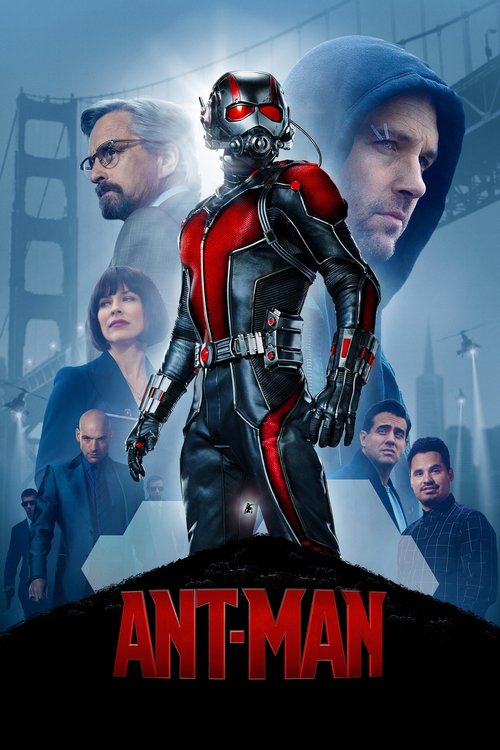
Armed with the astonishing ability to shrink in scale but increase in strength, master thief Scott Lang must embrace his inner-hero and help his mentor, Doctor Hank Pym, protect the secret behind his spectacular Ant-Man suit from a new generation of towering threats. Against seemingly insurmountable obstacles, Pym and Lang must plan and pull off a heist that will save the world.
2018
2016
2021
2007
2023
1991
2015
1980
No reviews yet. Be the first to share your thoughts on this movie!
Use the rating form above to leave a star rating and optional review.