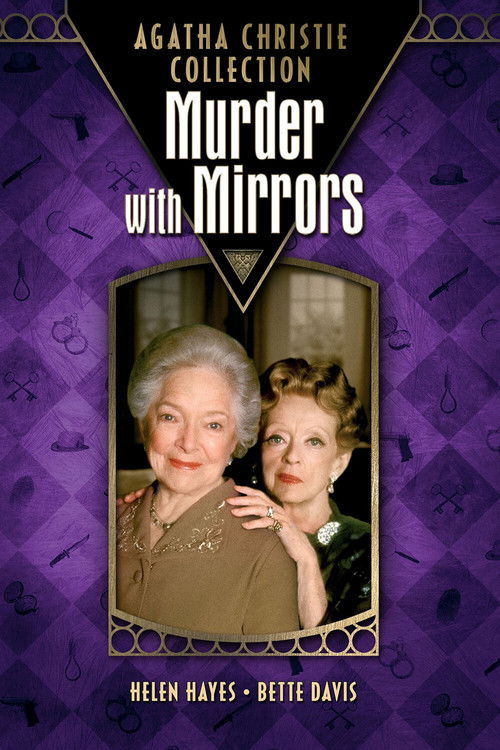
Murder with Mirrors
1985
No user ratings available yet
Representation score: 4.4 out of 10
Representation Score
Fair
1986
Not RatedDirector
Clive Donner
Runtime
90 minutes
Average Rating
No ratings yetNew Showbiz Analysis
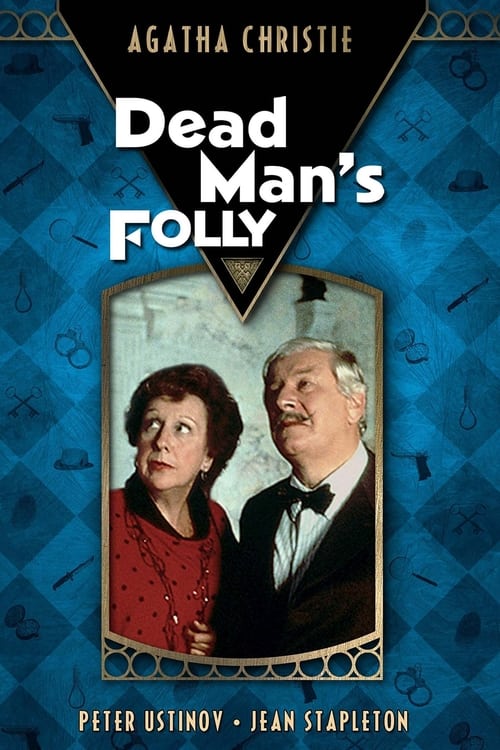
Dead Man's Folly is a period-specific adaptation of an Agatha Christie mystery that prioritizes the logic and class distinctions of the early 20th century. The narrative architecture is rooted in the 'Whodunnit' tradition, focusing on restoring social order rather than deconstructing social hierarchies. Because the film adheres to the conventions of its era and genre, it lacks significant representation of diverse identities. The setting and character dynamics reflect the homogeneous social structures typical of a British country house mystery. Ultimately, the film serves as a classical genre piece emphasizing established social institutions and traditional storytelling mechanics over modern multi-layered breadth or the subversion of social norms.
Category Breakdown
The film follows a traditional murder mystery framework without addressing non-straight or non-cisgender identities. It does not critique the assumption that everyone is straight or cisgender.
Female characters play key roles as suspects or central figures, but the period setting upholds traditional gender roles. The film does not challenge established gender hierarchies.
Set in a British country house, the film reflects the homogeneous social structures of the early 20th-century Western upper class. The social circle remains predominantly white, with Belgian detective Poirot being the only notable exception.
The story focuses on social decorum and investigation within a structured class system. It celebrates classical detective clichés without exploring secular or anti-capitalist themes.
There is no indication that neurodivergence or physical disability serves as a central theme. Such elements are not integrated into the narrative as sources of character's ability to drive the story.
Present on Screen
Limited or Absent
Official Synopsis
During a murder hunt game at a country house, to which Hercule Poirot is invited as an "expert", a real murder occurs.
1985
1973

1986
1964
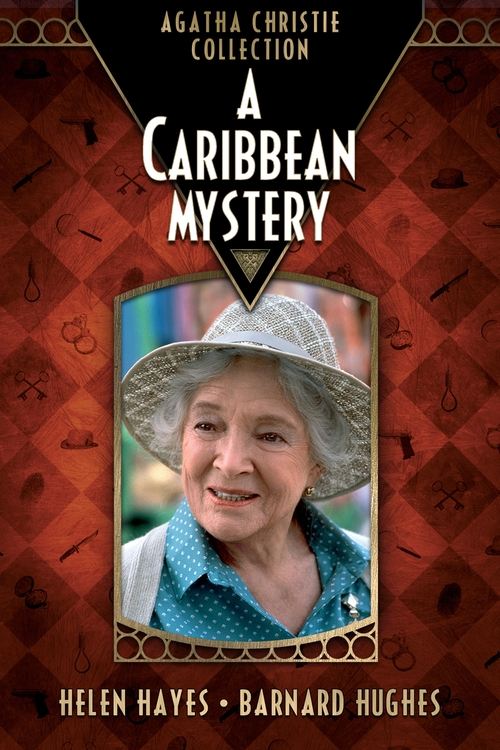
1983
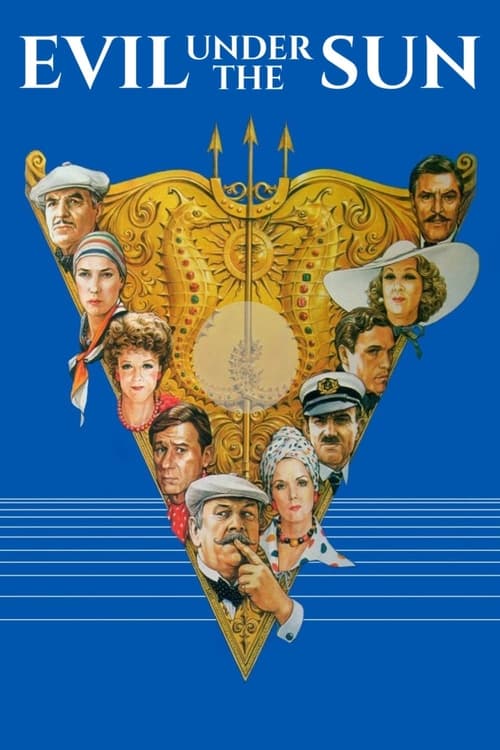
1982
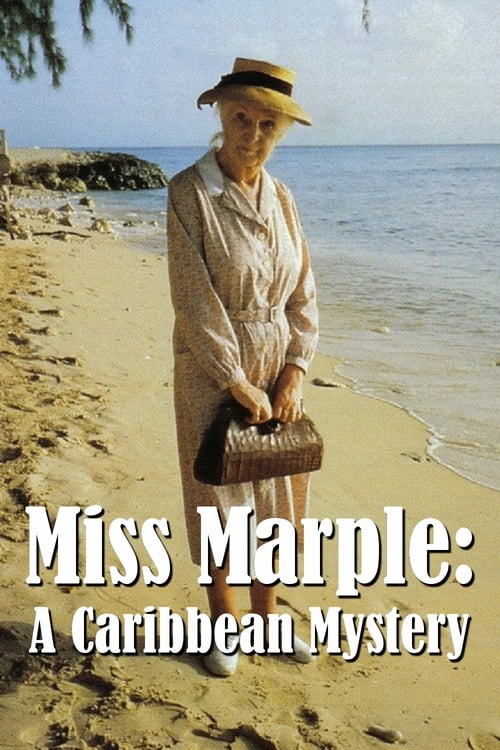
1989
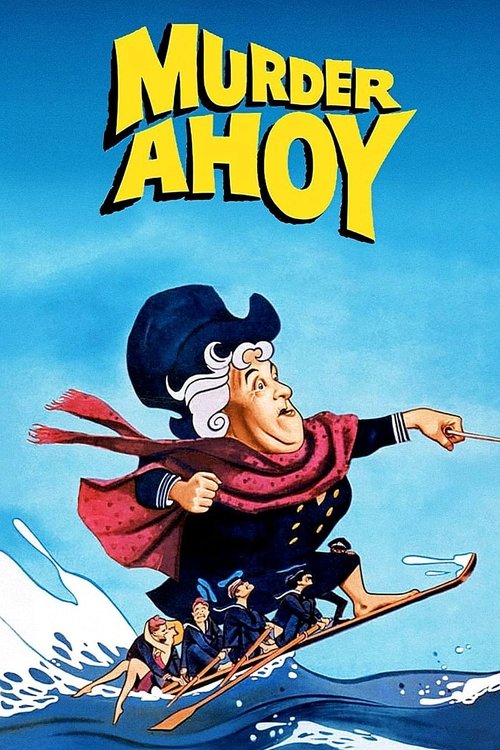
1964
No reviews yet. Be the first to share your thoughts on this movie!
Use the rating form above to leave a star rating and optional review.