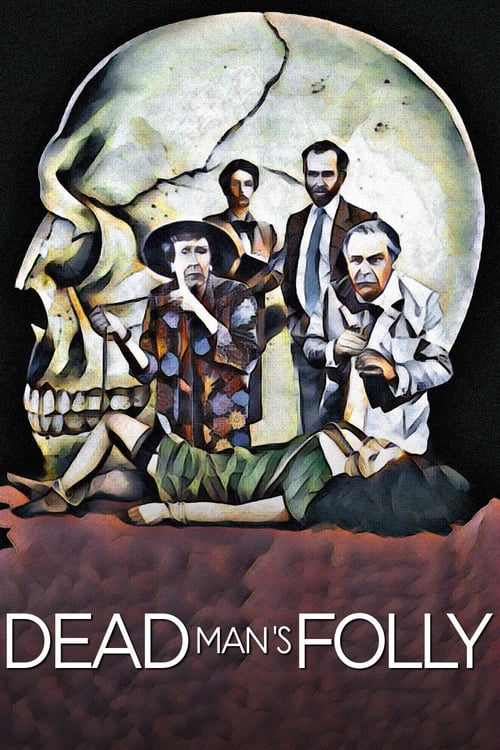
Dead Man's Folly
1986
No user ratings available yet
Diversity score: 3.0 out of 10
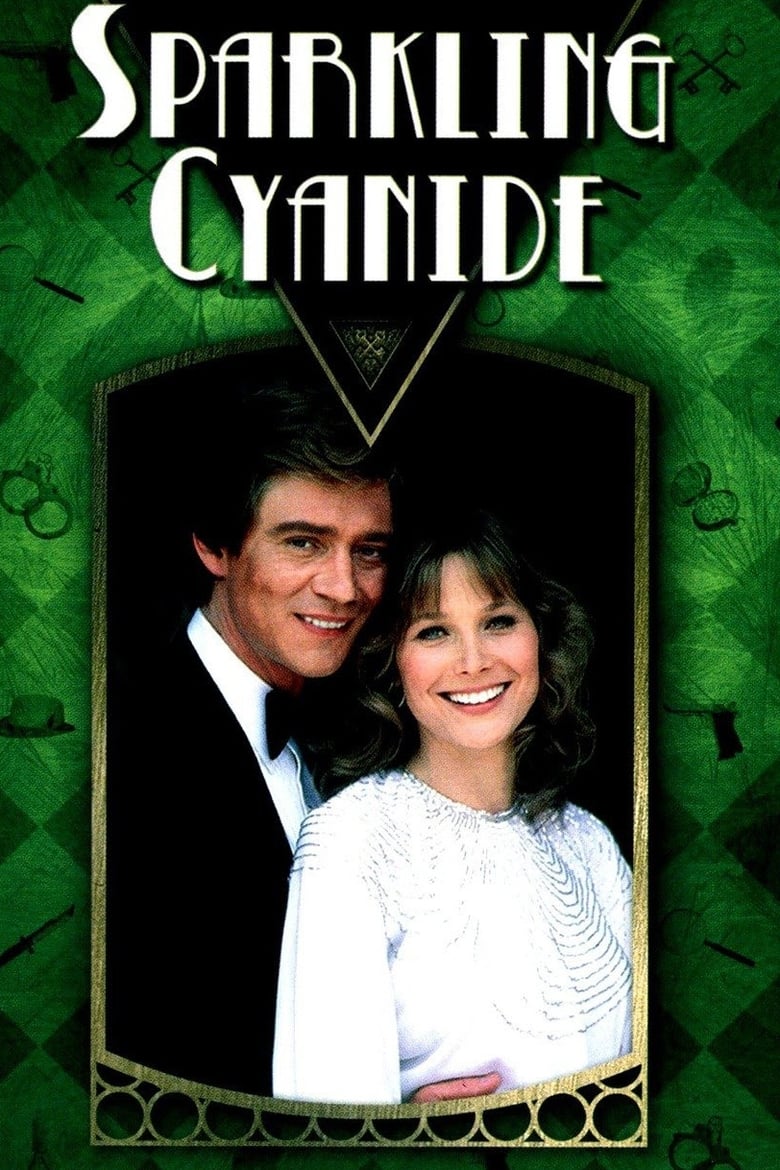
1983
NRDirector
Robert Michael Lewis
Runtime
100 minutes
Average Rating
No ratings yetSynopsis
One year ago on November 2, seven people sat down to dinner at the Luxembourg. One of them, Rosemary Barton, never got up. She was thought to have committed suicide due to post-flu depression.
Overall Score
Limited
Category Breakdown
LGBTQ+ Representation
The film lacks any evidence of non-cisnormative identities. The central plot focuses on a traditional marriage, suggesting a narrative centered on heteronormative domesticity.
Gender Representation
The story relies on tropes like the 'unfaithful wife' and 'successful lawyer.' This framing risks reducing female agency to moral transgression within a conventional domestic hierarchy.
Racial & Ethnic Diversity
The production likely reflects the era's tendency toward homogeneous, Anglo-Saxon casts. There is no evidence of ethnic plurality within this domestic thriller setting.
Religious & Cultural Diversity
The narrative operates within traditional Western social structures, such as the legal profession and marriage. It prioritizes individual morality over critiques of systemic institutions.
Disability Representation
There is no documented evidence of characters with visible or invisible disabilities. No such identities drive the plot or serve as narrative devices.
Strengths
Areas for Improvement
AI Analysis
Sparkling Cyanide is a standard genre piece that prioritizes plot mechanics and suspense over social commentary. The narrative architecture aligns with mid-century mystery tropes, focusing on interpersonal conflict rather than the deconstruction of systemic hierarchies. The film reinforces traditional social roles and conventional hierarchies. By centering the drama on a successful lawyer and an unfaithful wife, the story leans into established gender and professional archetypes of the 1980s. Ultimately, the work lacks the intentionality required to disrupt cultural norms or include intersectional identities. It functions as a period-typical mystery that maintains the status quo of its era.
1986
2006
2019

1983
No reviews yet. Be the first to share your thoughts on this movie!
Use the rating form above to leave a star rating and optional review.